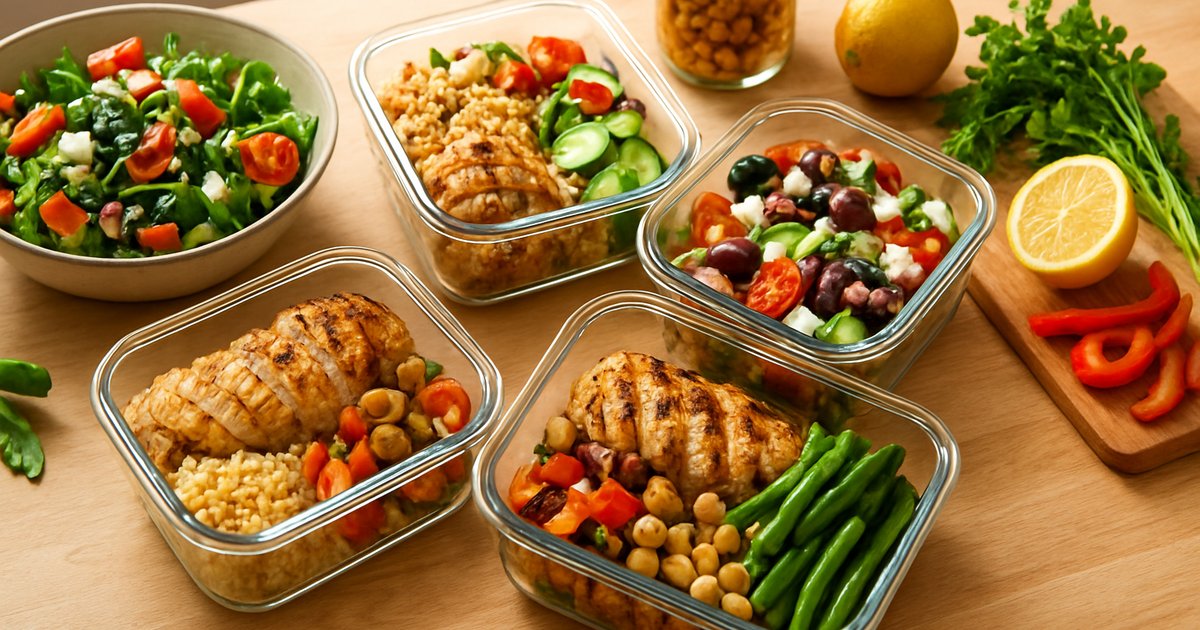
3 Quick Anti-Inflammatory Dinner Recipes for Busy Nights
Explore 3 delicious and quick anti-inflammatory dinner recipes. Perfect for busy nights, these meals are rich in omega-3s, antioxidants, and healthy fats.
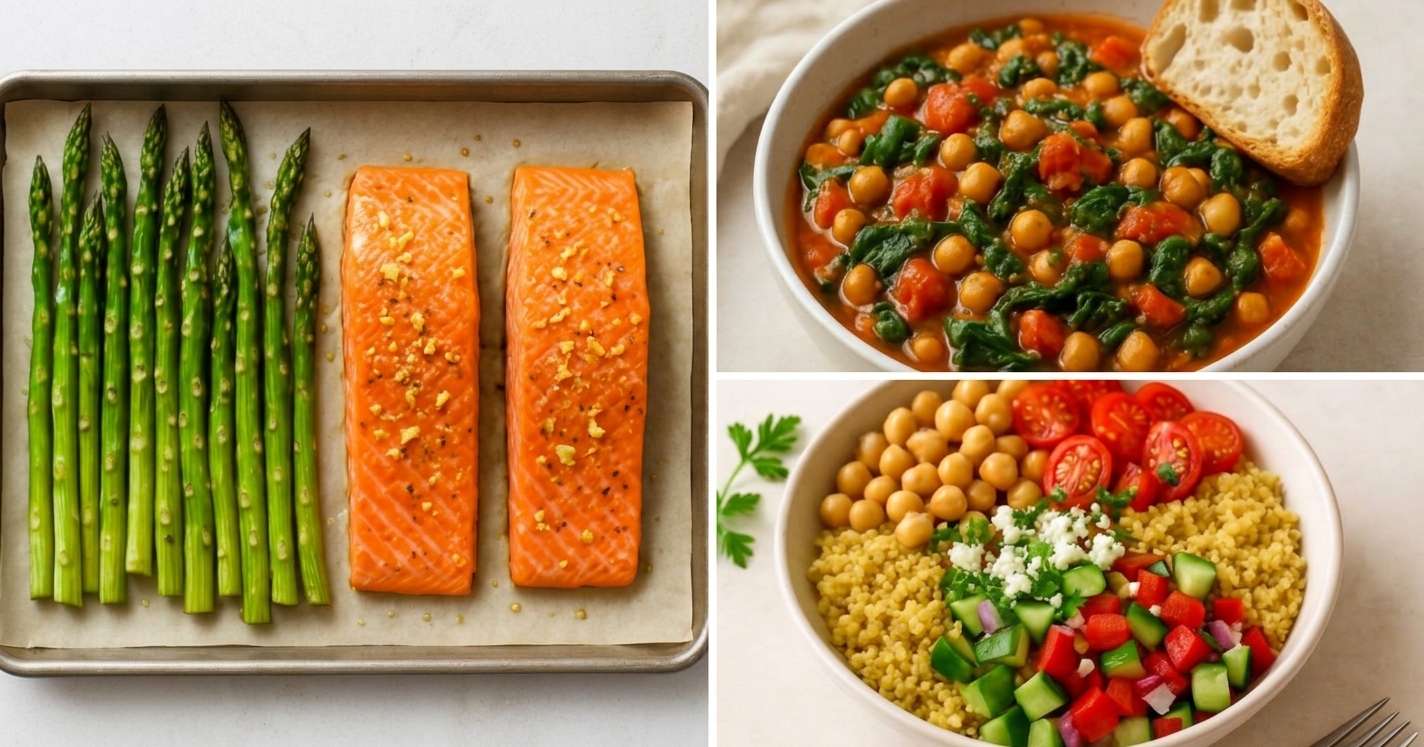
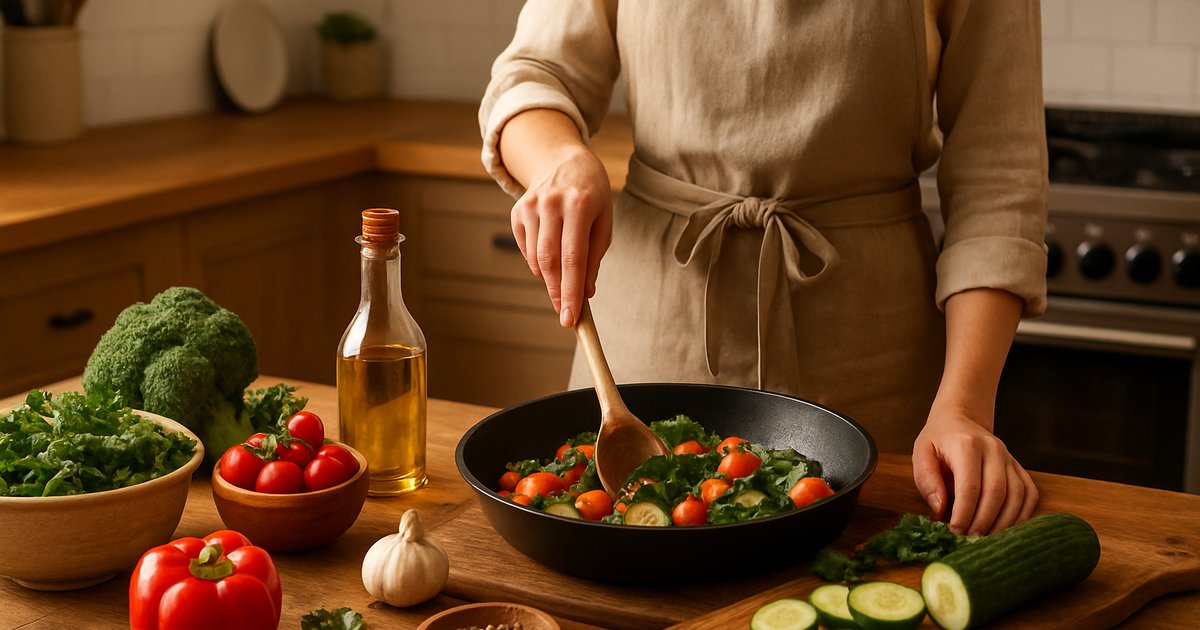
Imagine coming home after a hectic day and having a delicious, anti-inflammatory dinner ready in just 30 minutes. A good meal can energize your body and help with recovery, especially when it includes omega-3 rich foods, antioxidant-rich foods, and healthy fats. Our bodies demand nutrients that soothe inflammation and support overall health, just like those found in the Mediterranean diet. In this post, we’ll share three quick anti-inflammatory meal ideas that are perfect for busy weeknights. Incorporate these into your diet and experience the benefits of reduced inflammation and enhanced well-being.
How to Incorporate Anti-Inflammatory Ingredients Daily
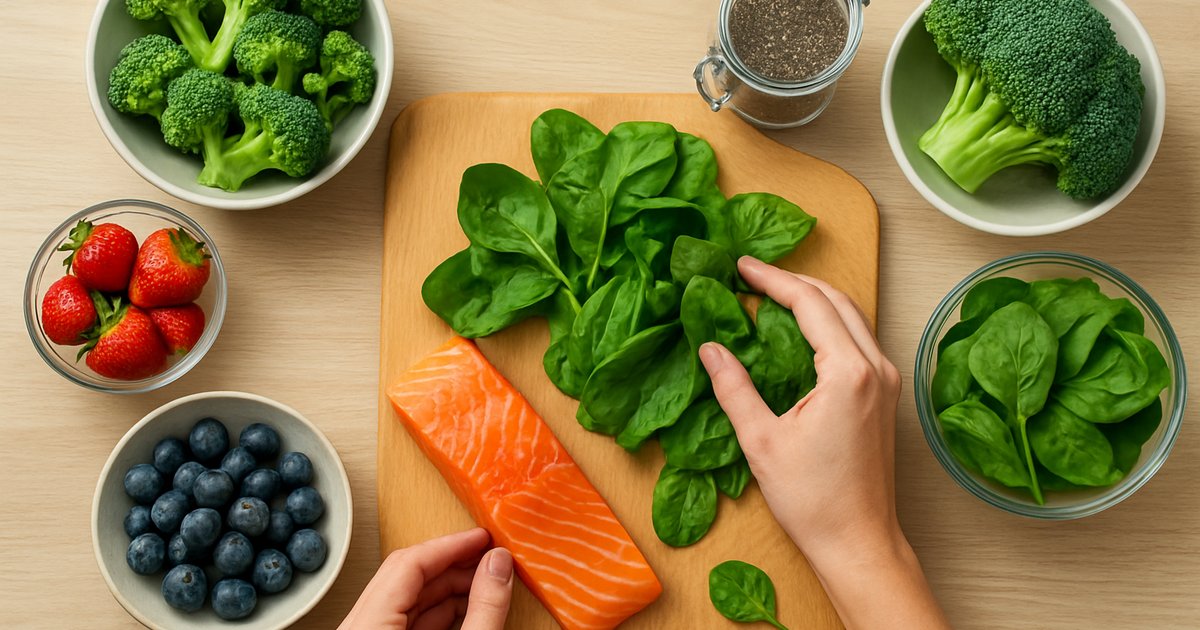
Embracing an anti-inflammatory diet involves integrating specific nutrient-rich ingredients into your daily meals, focusing on omega-3s and antioxidants. Omega-3 fatty acids are essential fats that help reduce inflammation, and they are found in foods like fish, flaxseeds, and walnuts. Antioxidants, found in fruits and vegetables, help protect the body from damage caused by free radicals.
Plan your meals: Schedule a weekly menu to incorporate foods rich in omega-3s and antioxidants. This approach not only eases the meal prep process but also ensures balanced nutrition. Consider salmon with a spinach salad or a smoothie with berries and chia seeds.
Stock your pantry: Keep your pantry filled with anti-inflammatory staples such as olive oil, turmeric, ginger, and garlic. These ingredients add a punch of flavor to your dishes while supporting health. A sprinkle of turmeric on roasted vegetables can transform a meal.
Make quick meals: Utilize simple recipes like sheet pan dinners or stir-fries. These are time-saviors on busy nights. Try a sheet pan of salmon and vegetables drizzled with olive oil and lemon for a quick, healthy dinner.
Include snacks: Opt for snacks that are high in omega-3s, like a handful of walnuts or a trail mix with seeds. They not only provide an energy boost throughout the day but also support your dietary goals.
Stay hydrated: Enhance your water intake by infusing it with anti-inflammatory ingredients such as lemon or slices of fresh ginger. This simple habit keeps you hydrated and can aid in reducing inflammation.
Integrating these steps into your daily routine ensures your diet consistently supports well-being and enhances recovery from everyday stressors.
Ingredient Spotlight: Pantry Staples for Anti-Inflammatory Meals
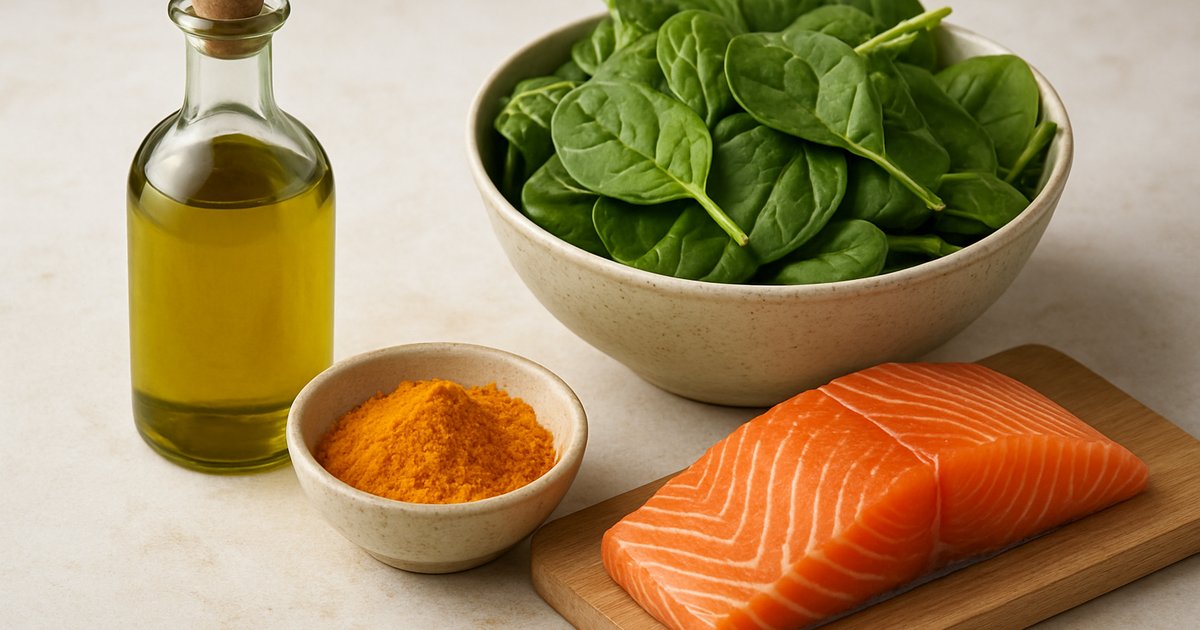
Stocking your pantry with certain key ingredients can make sticking to an anti-inflammatory diet simple and delicious. Here are some essential pantry staples that not only enhance flavor but also provide remarkable health benefits:
Extra Virgin Olive Oil: Essential for its healthy fats that reduce inflammation and support heart health. Always keep a bottle on hand.
Turmeric: A powerful anti-inflammatory spice that can elevate any dish.
Leafy Greens: Spinach, kale, and others are packed with fiber and antioxidants, crucial for reducing oxidative stress.
Wild Salmon: An excellent source of omega-3s that help support cardiovascular and joint health.
By ensuring these ingredients are consistently available, you can quickly prepare meals that are both nutritious and aligned with anti-inflammatory principles. Build your grocery list thoughtfully and enjoy the ease of preparing healthful dinners even on the busiest nights.
Storing Anti-Inflammatory Ingredients
Proper storage maximizes the shelf life and nutritional integrity of your anti-inflammatory diet ingredients. Here are some tips to keep your pantry and fridge staples fresh:
Olive Oil: Store in a cool, dark place to preserve its healthy fats and flavor.
Turmeric: Keep in an airtight container to maintain its potency and vibrant color.
Leafy Greens: Refrigerate with a damp paper towel to extend their freshness and crisp texture.
Wild Salmon: Consider freezing if not consumed within a day or two to ensure it remains flavorful and nutritious.
By following these storage guidelines, your ingredients will remain as nutritious and fresh as possible, ensuring they are ready for quick meal prep on those busy nights.
Recipe 1: Chilean Salmon with Pebre Sauce & Asparagus
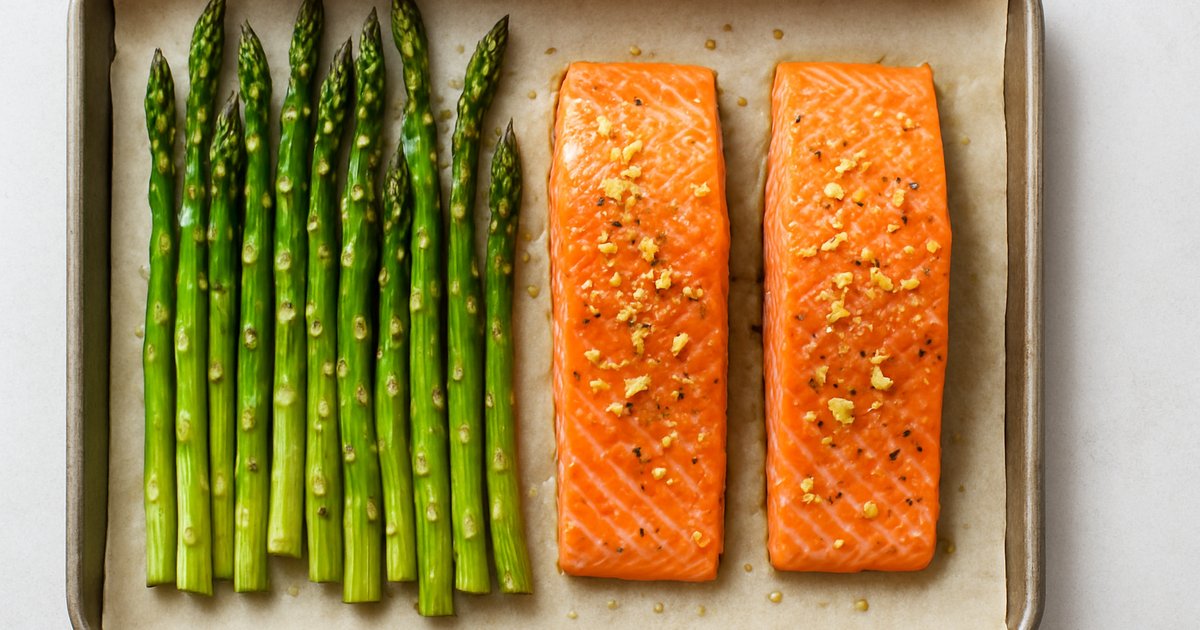
The Sheet Pan Chilean Salmon with Pebre Sauce & Asparagus is a perfect combination of flavor and health benefits. It’s quick to prepare and cooks in under 30 minutes, offering a delightful mix of omega-3-rich foods and antioxidants.
Prep/Cook Time: 10 minutes prep, 15-20 minutes cook
Health Benefits: Salmon provides essential omega-3s for heart health. Asparagus is an excellent source of antioxidants, and olive oil offers healthy fats. Salmon and asparagus promote recovery by reducing inflammation and improving cardiovascular function.
Instructions:
Preheat your oven to 400°F.
Rinse and dry 8-12 asparagus spears. Trim or snap off the woody bottom ends, removing about 1–2 inches from each spear.
Place the asparagus on a parchment-lined sheet pan. Drizzle with olive oil and toss to coat evenly. Sprinkle with minced garlic, salt, and lemon zest.
Roast asparagus for 12–15 minutes, or until tender-crisp and lightly browned.
If using very thick asparagus, place the asparagus in the oven for 3–5 minutes before adding the Chilean Salmon with Pebre Sauce.
Recipe 2: Mediterranean Spanish Chickpea & Spinach Stew
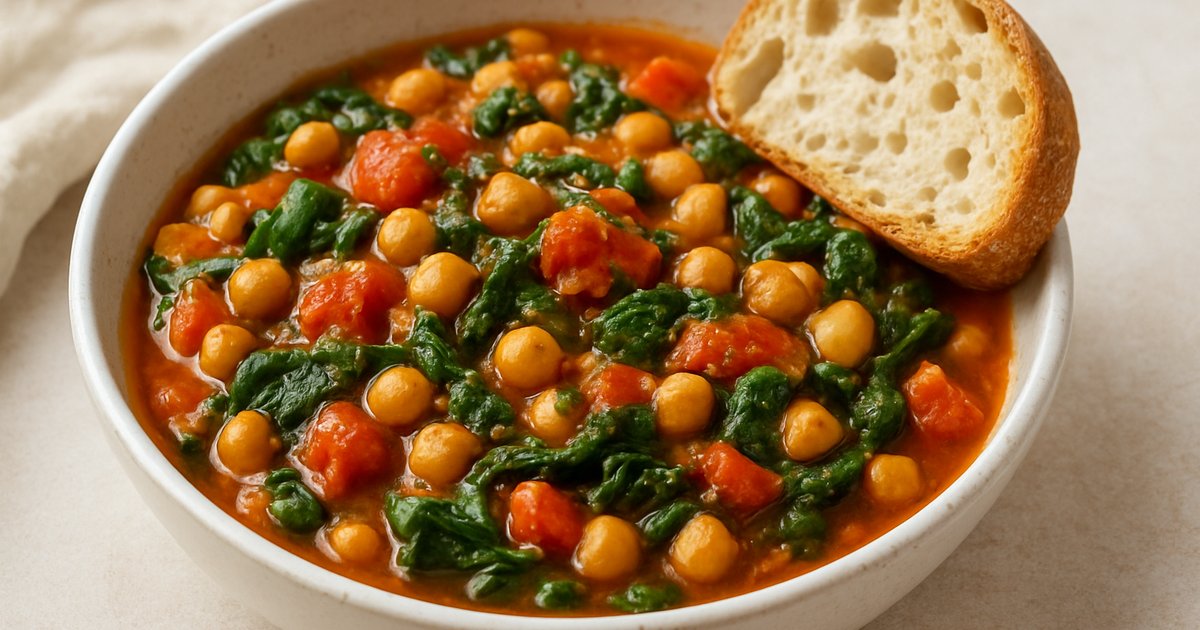
This Mediterranean Spanish Chickpea & Spinach Stew is hearty and full of flavor. Featuring plenty of antioxidants, this meal is both nourishing and quick to make.
Prep/Cook Time: 15 minutes prep, 20 minutes cook
Health Benefits: Chickpeas provide plant-based protein and fiber, while spinach and tomatoes are loaded with antioxidants. Rich in fiber and antioxidants, this stew boosts gut health and reduces systemic inflammation.
Recipe 3: Mediterranean Chickpea and Quinoa Bowl
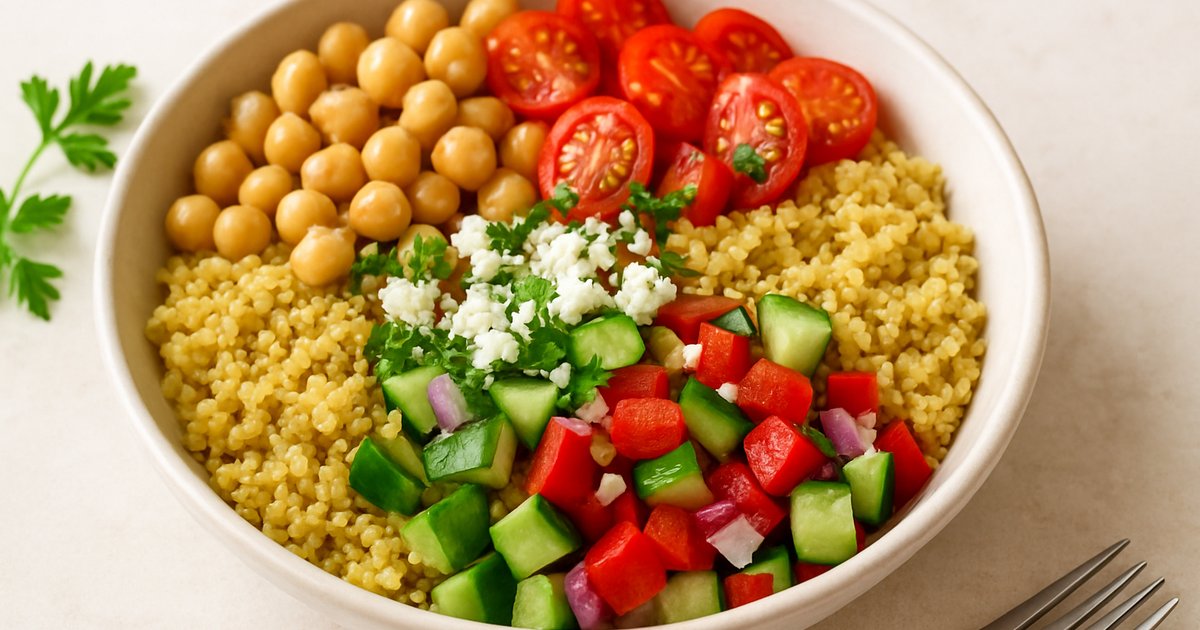
The Mediterranean Chickpea and Quinoa Bowl is an immunity-boosting dish. This meal is both tasty and colorful.
Prep/Cook Time: 15 minutes prep, 15 minutes cook
Health Benefits: Quinoa offers a complete protein source, while bell pepper, cucumber, tomatoes, parsley and red onion provide vitamins. This vibrant dish, rich in healthy fat and aids in reducing inflammation and supporting immune function.
Air Fryer vs Ceramic Skillet: What's Better?
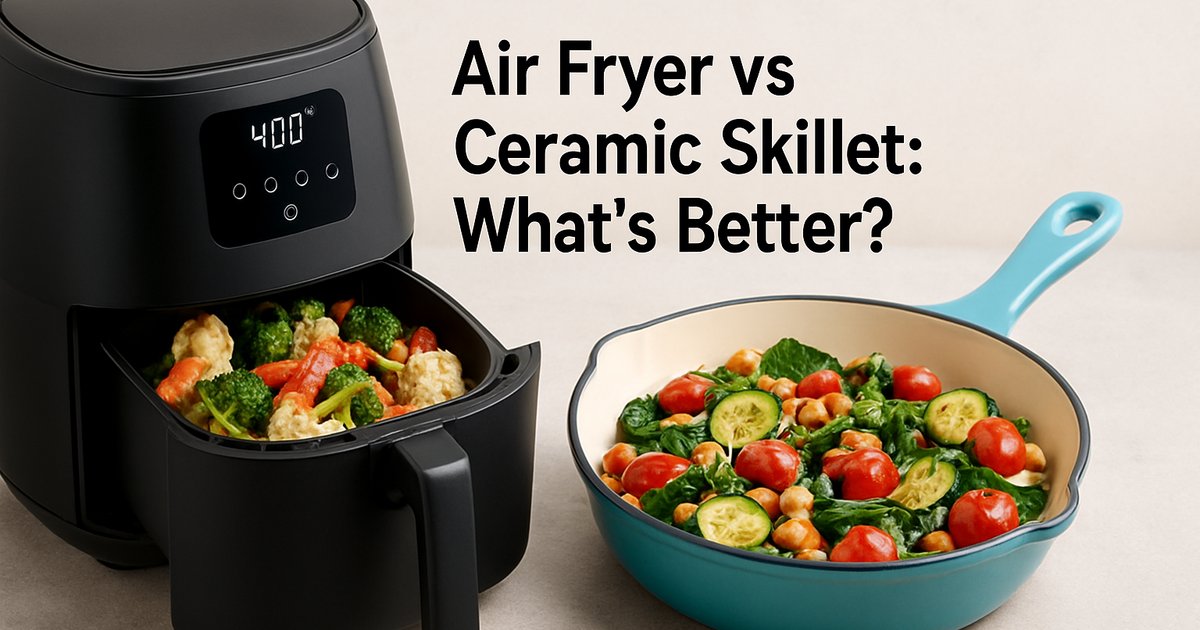
When following an anti-inflammatory diet, the choice of cooking tools can influence the nutritional quality and convenience of your meals. Let's compare two popular options: air fryer and ceramic skillet, to see how they stack up for quick and healthy dinners.
Feature | Air Fryer | Ceramic Skillet |
|---|---|---|
Cooking Speed | Fast with pre-programmed settings | Swift, especially for sautéing and frying |
Oil Usage | Minimal – ideal for lower calorie meals | Requires light oil, enhancing flavors |
Health Benefits | Preserves nutrients | Ensures even cooking and nutrient retention |
Versatility | Perfect for crispy, fried textures | Great for varied stovetop dishes and sauces |
Cleanup | Easy with detachable parts | Simple, non-stick surface wipes clean |
Choosing between an air fryer and ceramic skillet largely depends on your cooking preferences and the dishes you enjoy. Both offer efficient, health-conscious methods for preparing delicious, inflammation-fighting meals that cater to busy lifestyles. Whether you prefer the convenience of crispy air-fried dishes or the depth of flavors from stovetop cooking, both options complement an anti-inflammatory diet well.
Frequently Asked Questions
What foods are included in an anti-inflammatory diet?
An anti-inflammatory diet features nutrients like omega-3s, healthy fats, and antioxidants found in foods like salmon, leafy greens, nuts, and extra virgin olive oil.
How can I make meals more anti-inflammatory?
Incorporate more antioxidant-rich foods and omega-3-rich ingredients into your meals. Use spices like turmeric and cook with healthy fats.
Why are healthy fats important?
Healthy fats from foods like olive oil support brain function, reduce inflammation, and improve heart health.
Can I follow an anti-inflammatory diet if I’m busy?
Yes, quick recipes and meal planning make it easy to maintain an anti-inflammatory diet, even on busy weeknights.
Incorporating these anti-inflammatory dinner recipes into your weekly menu ensures you maintain a diet rich in omega-3s, antioxidants, and healthy fats. These meals are quick, delicious, and perfect for supporting a busy lifestyle while keeping inflammation at bay. Explore our complete guide to the Mediterranean diet for more in-depth information, and start enjoying the benefits of better energy and recovery today.
This article is for informational and educational purposes only. It does not constitute medical advice, diagnosis, or treatment, and is not a substitute for a conversation with a qualified healthcare provider. Individual health needs vary.
Cooking times and temperatures provided on this website are intended as general guidelines and may vary depending on your oven, equipment, ingredients, and personal preferences. We are not responsible for food that is overcooked, undercooked, or cooked to a preferred doneness differently than expected. Always use your best judgment and check food for doneness and safe internal temperatures when appropriate.