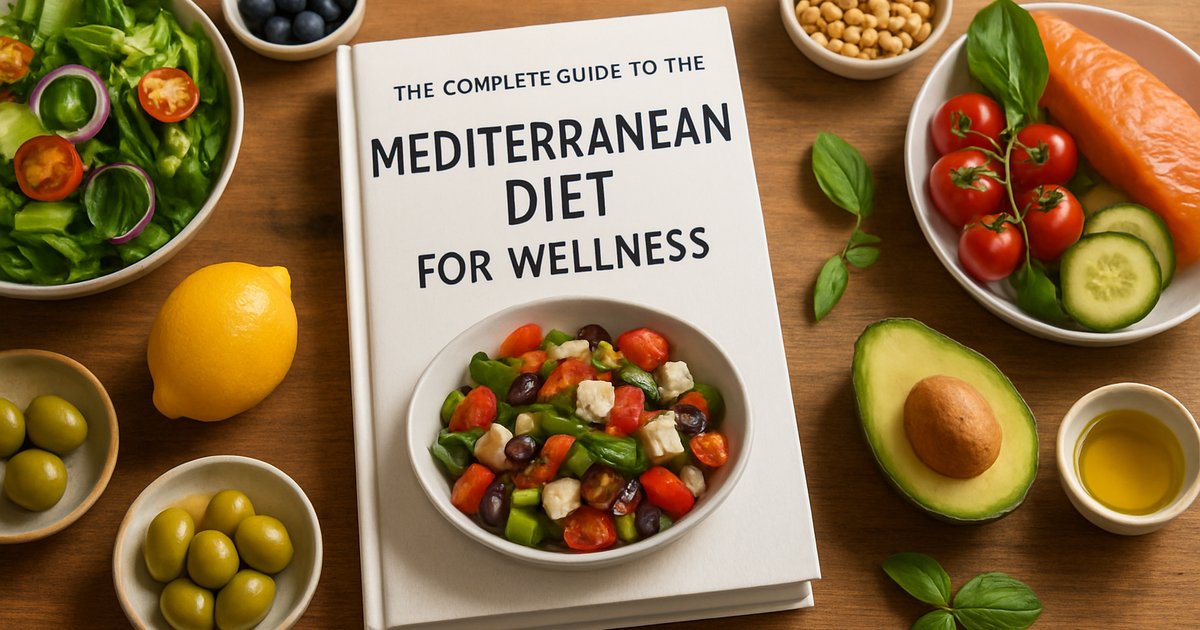
The Complete Guide to the Mediterranean Diet for Wellness
Explore the benefits of the Mediterranean Diet for long-term wellness. Learn how to integrate its principles easily into your busy life.
Understanding Mediterranean Diet Benefits
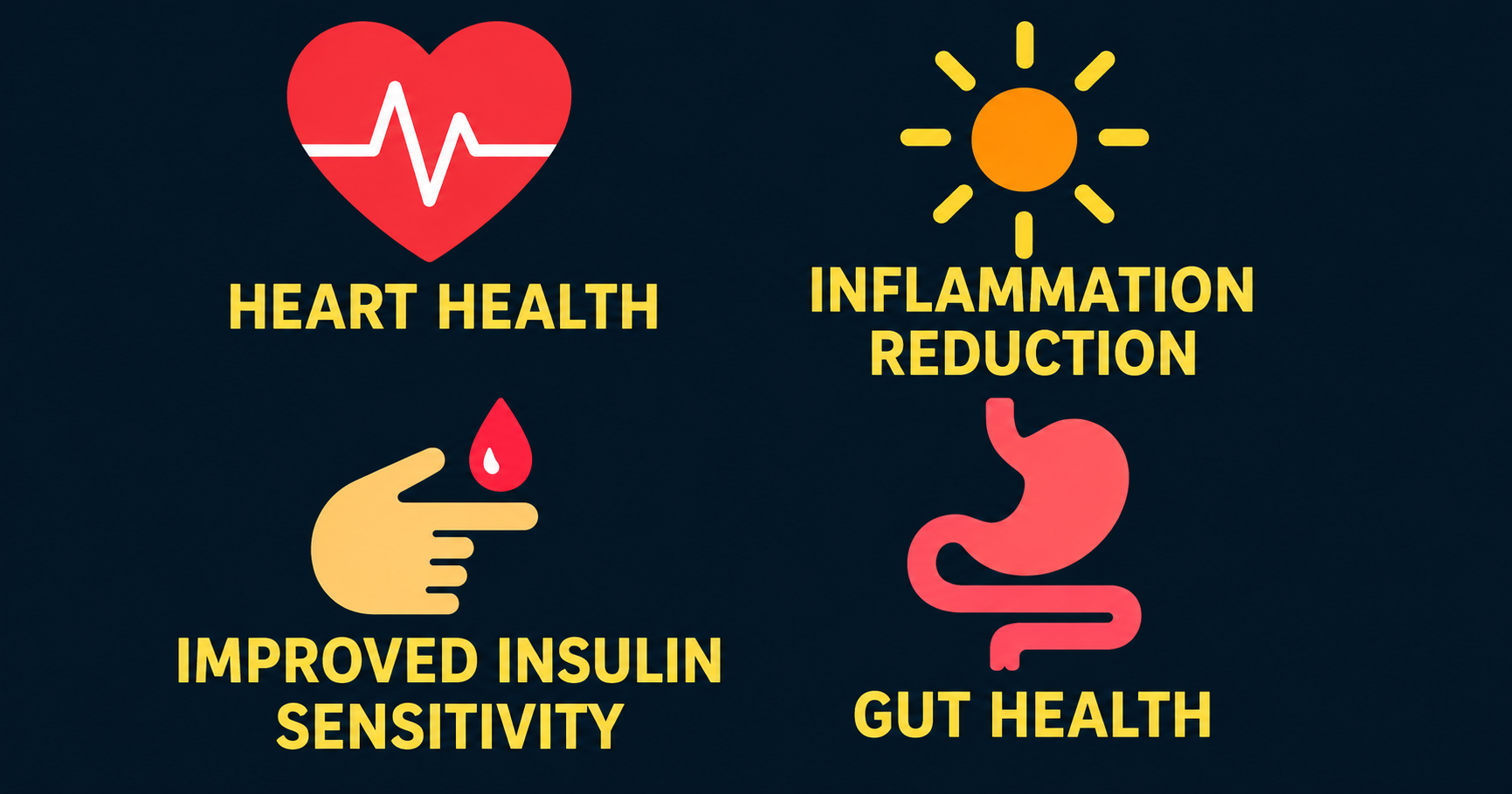
The *Mediterranean Diet benefits* are extensive, particularly in the realms of heart health and overall wellness. Studies show it reduces the risk of cardiovascular diseases by improving cholesterol levels and lowering blood pressure.
Heart Health: The diet is rich in omega-3 fatty acids from fish and nuts, which help maintain cardiovascular function.
Inflammation Reduction: High antioxidant fruits and vegetables like berries, tomatoes, and greens fight inflammation.
Improved Insulin Sensitivity: Whole grains and fiber from legumes stabilize blood sugar levels, particularly beneficial for managing prediabetes.
Gut Health: A focus on natural foods supports a healthy microbiome, crucial for digestion and immune function.
As we make our health and well-being a priority, incorporating these elements into our routine can help foster sustainable health habits.
Mediterranean Diet for Heart Health
The Mediterranean Diet is particularly renowned for its heart-protective properties. Its emphasis on monounsaturated fats from olive oil and omega-3-rich seafood helps *reduce LDL cholesterol* while increasing HDL cholesterol. The addition of *whole grains*, lean proteins, and a wide variety of vegetables contributes to its well-rounded approach to heart health. This diet encourages enjoying meals with family and friends, reducing stress and promoting emotional well-being.
Research from the National Institutes of Health has found that a Mediterranean diet supplemented with extra-virgin olive oil or nuts was associated with a lower risk of major cardiovascular events. The diet's emphasis on unsaturated fats, plant-based foods, and antioxidant-rich ingredients may also support healthier blood pressure, lipid profiles, and inflammatory markers. Extra-virgin olive oil, a cornerstone of the Mediterranean eating pattern, has been associated with a reduced risk of cardiovascular disease and cardiovascular mortality. Together, these findings reinforce the Mediterranean diet as a sustainable eating pattern that can support long-term cardiovascular health.
Mediterranean Diet and Cardiovascular Health
Olive oil intake and risk of cardiovascular disease and mortality
Mediterranean Diet Foods: Key Ingredients
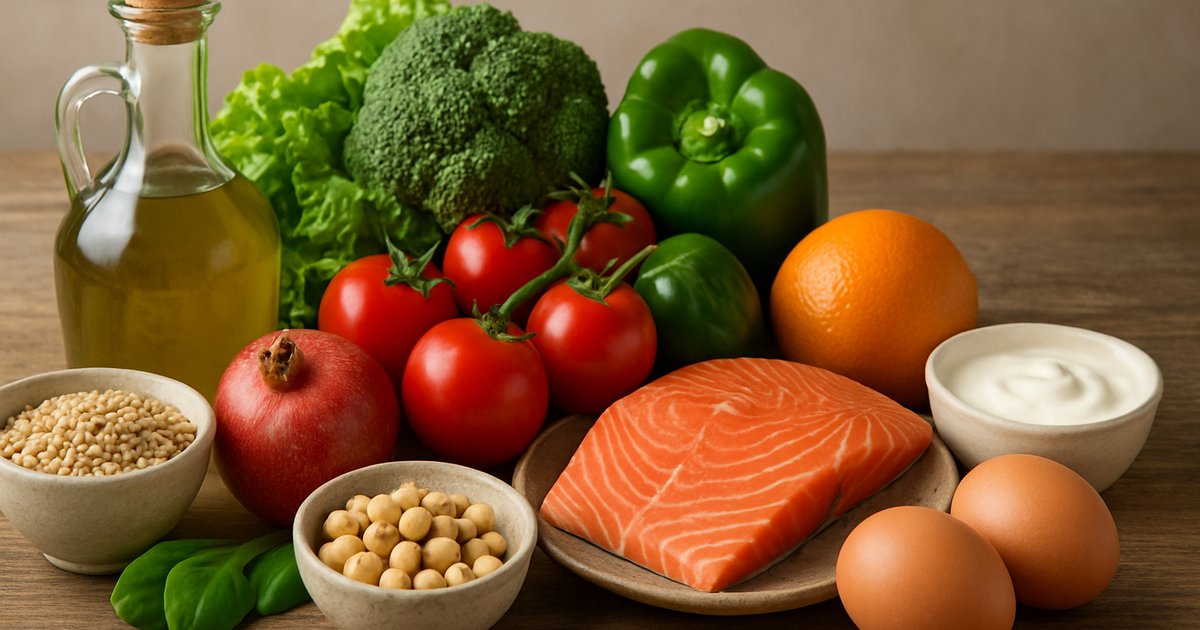
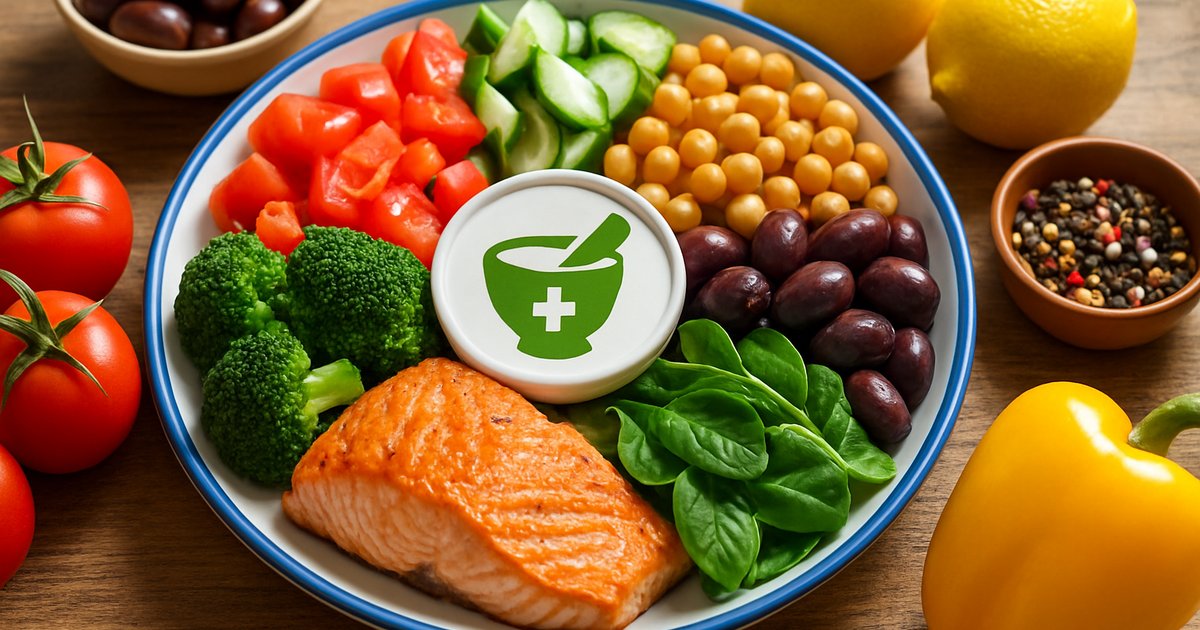
A successful Mediterranean Diet revolves around certain *food pillars*:
Extra Virgin Olive Oil: A staple, rich in antioxidants and healthy fats for cooking and dressing.
Fresh Vegetables and Fruits: Daily consumption of colorful, seasonal produce like tomatoes, peppers, and citrus fruits is encouraged.
Whole Grains: Barley, oats, and whole grain bread fuel your body with fiber and energy.
Lean Proteins: Look to plant-based sources like legumes and nuts, as well as fish like salmon for protein.
Dairy and Eggs: Incorporated in moderation, often as cheese or yogurt to enhance dishes.
By integrating these foods, you not only enhance your *nutritional intake* but also delight in diverse and appetizing meals.
🌿 MEDITERRANEAN DIET 🌿
Foods for Heart Health
🥬 VEGETABLES
- Spinach
- Kale
- Broccoli
- Peppers
🍓 FRUITS
- Berries
- Tomatoes
- Citrus
- Apples
🫘 LEGUMES
- Chickpeas
- Lentils
- Beans
🌾 WHOLE GRAINS
- Oats
- Barley
- Whole-grain bread
🫒 HEALTHY FATS
- Extra-virgin olive oil
- Almonds
- Walnuts
- Flaxseeds
🐟 FISH & SEAFOOD
- Salmon
- Sardines
- Tuna
- Shrimp
🍗 MODERATE PROTEINS
- Chicken
- Turkey
- Eggs
- Yogurt
🌿 HERBS & SPICES
- Basil
- Oregano
- Rosemary
- Garlic
❤️ HEART-HEALTHY EATING
MORE PLANTS • HEALTHY FATS • FISH
LESS PROCESSED & RED MEAT
Role of Leafy Greens and Legumes
Leafy greens such as spinach, kale, and swiss chard are integral to the Mediterranean Diet due to their density of *vitamins A, C, and K*. They're easy to incorporate into dishes as salads or side dishes. Legumes, including beans and lentils, are another crucial element, offering a plant-based source of protein and fiber. These can be made into soups, stews, or hearty salads.
Mediterranean Kitchen Essentials
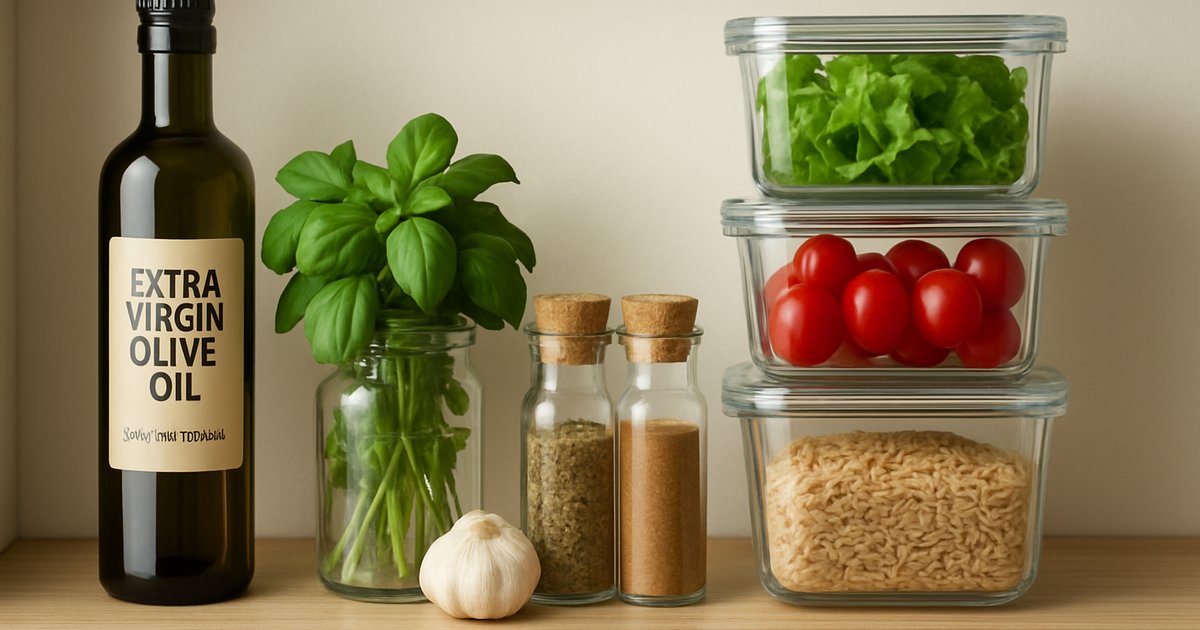
Creating a Mediterranean-inspired kitchen involves stocking up on a few essentials:
High-Polyphenol EVOO (Extra Virgin Olive Oil): This type of olive oil enhances flavor while providing antioxidant benefits.
Fresh Herbs and Spices: Basil, oregano, cumin, and garlic elevate the simplest dishes.
Quality Glass Prep Containers: Perfect for storing prepped ingredients and maintaining their freshness.
These tools not only aid in healthy cooking but also keep you organized and efficient.
Practical Tips for Busy Mediterranean Cooking

Even on busy weeknights, the Mediterranean Diet can be quick and simple. Here’s how to streamline your meals:
Plan Your Meals: Allocate a few hours on weekends for prepping key ingredients like chopped vegetables, cooked grains, and marinated proteins.
Embrace Simplicity: Opt for quick recipes such as grilled fish paired with a Greek salad or a chickpea stew.
Flexible Portions: Prepare larger batches for adaptable leftover meals later in the week.
Family Inclusive: Involve family members in the preparation process, making it a shared experience.
Adapting this diet can offer *variety and nutrition* without extensive time commitment.
How to Start the Mediterranean Diet for Beginners
Assess Your Starting Point: Identify your current eating habits and find areas that align with Mediterranean principles.
Gradual Ingredient Swap: Replace processed foods with whole grain options like quinoa or barley.
Embrace Olive Oil: Use it as your primary fat source both for cooking and dressings.
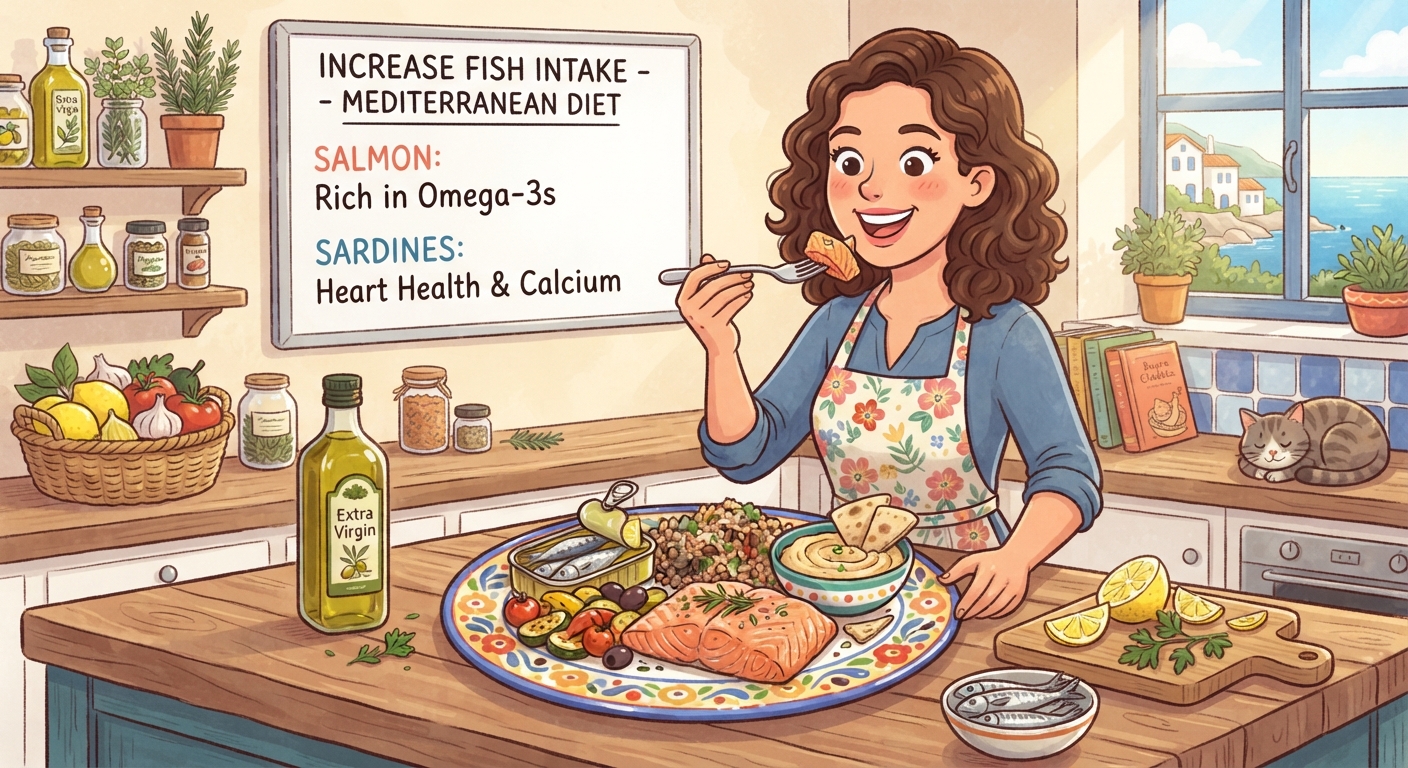
Increase Fish Intake: Aim for two servings of fish per week, such as salmon or sardines.
Expand Vegetable Varieties: Include a broad spectrum of seasonal vegetables in every meal.
Snack Smart: Choose nuts or fruit over chips and sweets.
Make Mealtime Social: Encourage shared meals with friends and family to embody the true spirit of the diet.
Frequently Asked Questions
Is the Mediterranean Diet Expensive?
While some ingredients can be costly, buying seasonal produce, bulk grains, and affordable proteins like legumes can keep costs manageable.
Do I Have to Eat Fish Every Day?
No, fish is recommended a few times a week. You can incorporate other lean proteins like poultry and legumes on other days.
Can I Follow This Diet as a Vegetarian?
Yes, the Mediterranean Diet can be easily adapted for vegetarians by focusing on legumes, cheese, and dairy for protein.
Are There Desserts on the Mediterranean Diet?
Yes, desserts can include fresh fruits, honey, and nuts, allowing for sweet enjoyment without excessive sugar.
This article is for informational and educational purposes only. It does not constitute medical advice, diagnosis, or treatment, and is not a substitute for a conversation with a qualified healthcare provider. Individual health needs vary.
Cooking times and temperatures provided on this website are intended as general guidelines and may vary depending on your oven, equipment, ingredients, and personal preferences. We are not responsible for food that is overcooked, undercooked, or cooked to a preferred doneness differently than expected. Always use your best judgment and check food for doneness and safe internal temperatures when appropriate.