Mediterranean Diet: Heart Health & Blood Pressure Benefits
Discover how the Mediterranean diet supports heart health and manages blood pressure naturally. Learn about key foods, dietary swaps, and more.


The Mediterranean diet has long been celebrated by cardiologists and nutritionists for its profound impact on heart health. Rooted in the traditional eating habits of countries surrounding the Mediterranean Sea, this diet places a strong emphasis on plant-based foods, healthy fats, and lean proteins. In this article, we explore how this delicious and nutrient-rich diet can become a natural ally in managing your cardiovascular risks, like high blood pressure and elevated cholesterol. Recent studies, including the one referenced below, confirm that the Mediterranean diet is particularly effective for managing hypertension and improving blood pressure levels.
The Mediterranean Diet, its Components, and Cardiovascular Disease
Mediterranean Diet and Hypertension: Understanding the Nutritional Science

The Mediterranean diet is renowned for its ability to support cardiovascular health, notably in managing hypertension. A major factor in this benefit is the diet's nutrient-rich profile, which naturally aids in blood pressure regulation. Let's explore how the key components of this diet help in managing hypertension and improving heart health.
Foods rich in potassium, such as bananas and spinach, help manage blood pressure by counteracting sodium's effects.
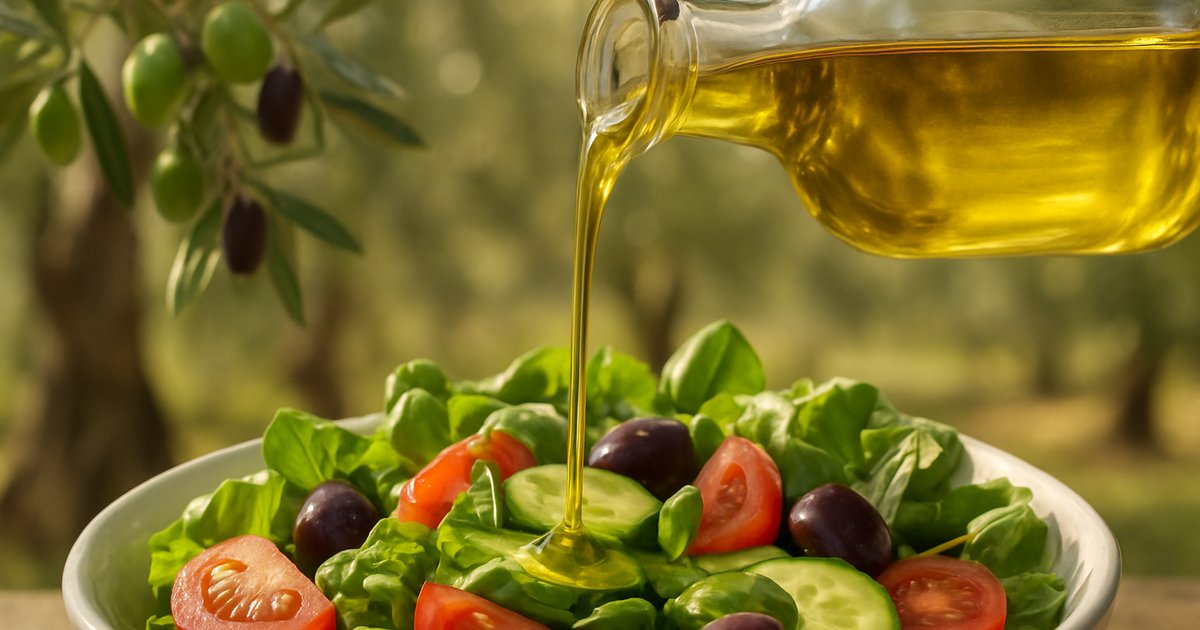
Monounsaturated fats in extra virgin olive oil (EVOO) improve heart health by reducing cholesterol.
Polyphenols, present in green vegetables and wine, are antioxidants that support vessel health.
Additionally, fiber-rich foods like legumes and whole grains can support heart health by helping maintain healthy cholesterol levels.
Omega-3-rich fish improve vascular function, reducing the risk of hypertension.
Incorporating these foods into your diet can naturally enhance cardiovascular health over time. By routinely consuming a variety of fruits, vegetables, healthy fats, and omega-3 rich fish, you can help keep your blood pressure in check and support overall heart health. To get started, try to include at least one of these components in your daily meals, gradually building towards a well-rounded Mediterranean diet.
Foods That Support Healthy Blood Pressure
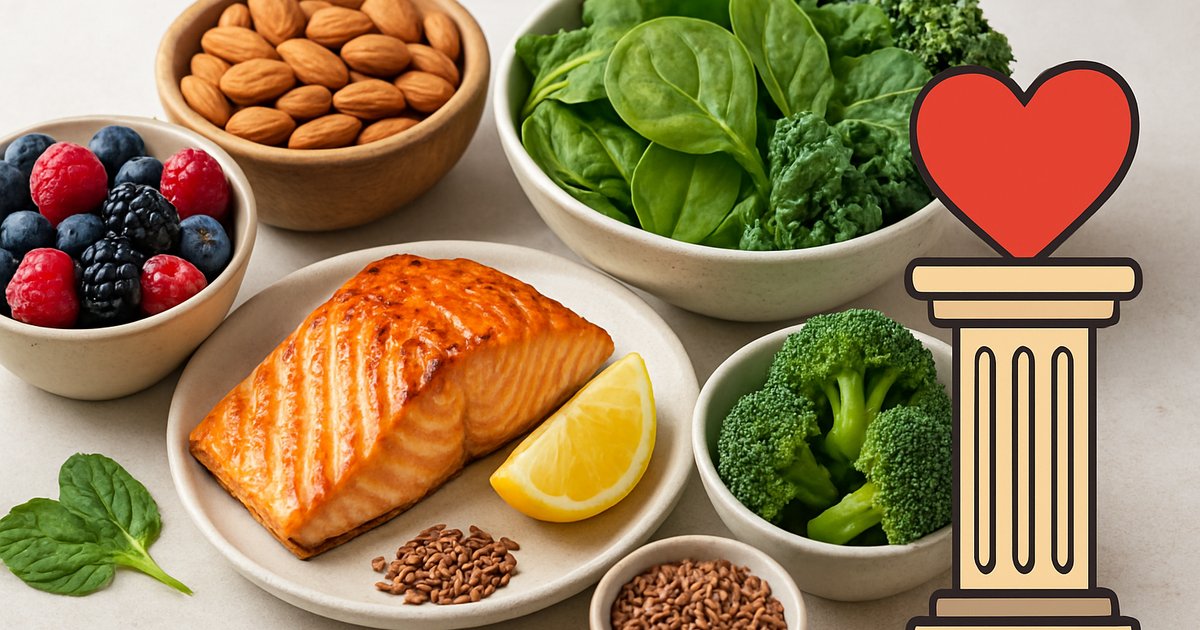
To keep blood pressure in check naturally, focus on specific foods renowned in the Mediterranean diet.
-
Leafy Greens
- Spinach & kale
- Rich in nitrates
- Help relax blood vessels
-
Berries
- Rich in flavonoids
- May help reduce hypertension risk
-
Nuts & Seeds
- Almonds & flaxseeds
- Provide magnesium + omega-3s
- Support healthy heart rhythm
-
Cruciferous Vegetables
- Broccoli and similar vegetables
- Contain compounds that support arterial function
-
Fatty Fish
- Salmon and other oily fish
- Aim for about 2 servings per week
- Provides omega-3 fatty acids
- Supports cardiovascular health and helps reduce inflammation
Key Takeaway
Fill your plate with leafy greens, berries, nuts, seeds, vegetables, and fatty fish to support healthy blood pressure and cardiovascular health.
Mediterranean Diet Benefits for Cardiovascular Health
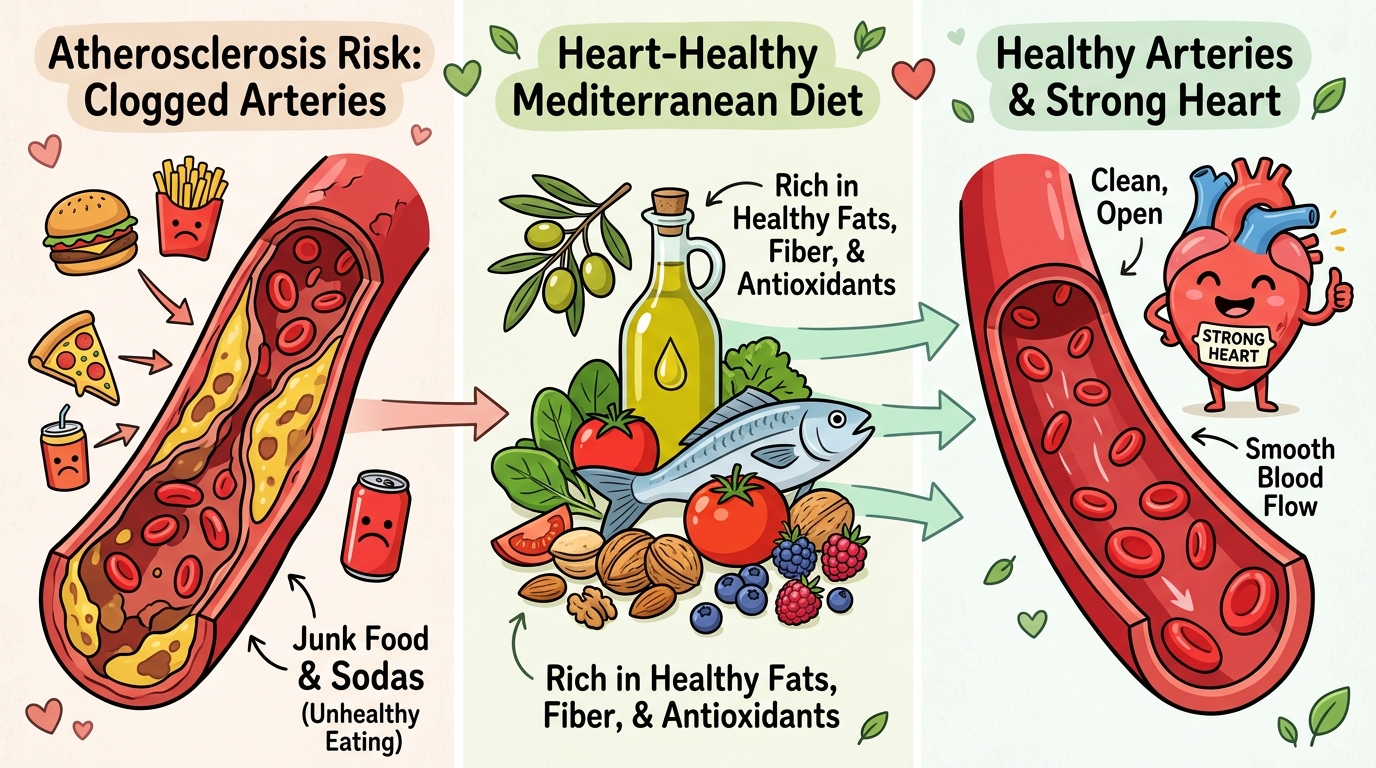
Adopting the Mediterranean diet for heart health offers numerous cardiovascular benefits that extend beyond merely controlling blood pressure. The Mediterranean diet’s emphasis on whole, unprocessed foods ensures a rich intake of essential vitamins and minerals that support optimal heart muscle function. The presence of these nutrients, including potassium and magnesium, is vital for maintaining a regular heartbeat and preventing heart disease.
Anti-inflammatory Effects: Another key benefit of the Mediterranean diet is its high antioxidant content. Foods such as berries, leafy greens, and nuts are packed with antioxidants that help combat inflammation in the body. By reducing inflammation, the diet lowers the risk of developing atherosclerosis, a condition where the arteries become clogged with fatty deposits, leading to heart attacks and strokes.
Rich in heart-healthy omega-3 fatty acids from sources like fish and flaxseeds
High in fiber from fruits, vegetables, and whole grains, which aids in lowering LDL cholesterol
Includes a variety of phytonutrients from plant-based foods that protect against oxidative stress
The blend of healthy fats, ample fiber, and diverse plant-based nutrients found in the Mediterranean diet creates a synergistic effect, making it not only effective but also a sustainable option for long-term cardiovascular health.
Incorporate these principles into your meals gradually by adding more fruits and vegetables, opting for whole grains over refined ones, and using olive oil as your primary cooking fat. This practical approach not only supports heart health but also enhances overall well-being.
How to Make Heart-Healthy Dietary Swaps
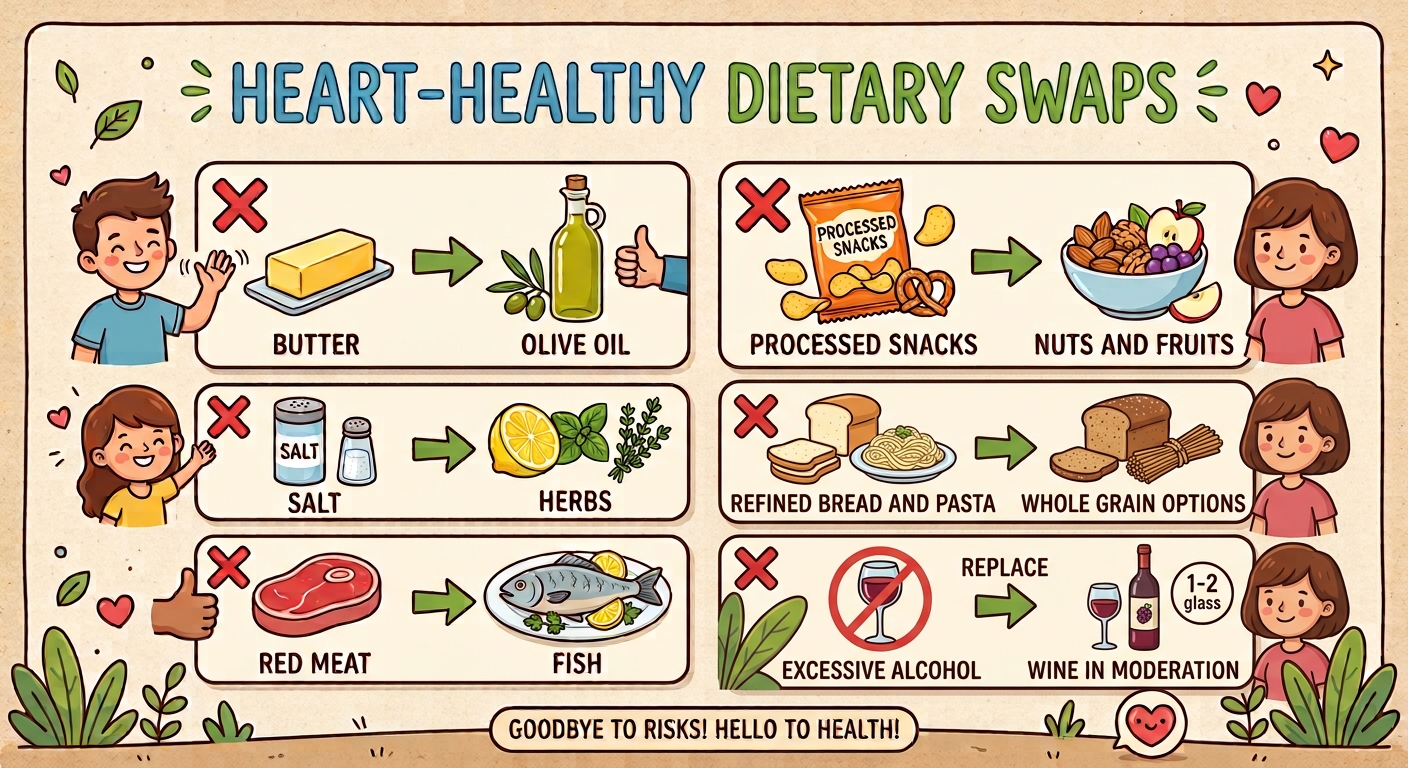
Adopting the Mediterranean diet can greatly benefit heart health and help manage blood pressure. Simple dietary swaps make it easy to embrace this nutritious lifestyle and enhance overall well-being.
| Traditional Ingredient | Mediterranean Swap | Benefits & Explanation |
|---|---|---|
| Butter | Extra Virgin Olive Oil | Extra Virgin Olive Oil is rich in heart-healthy monounsaturated fats that help reduce bad cholesterol levels. |
| Refined Bread and Pasta | Whole Grain Options | Whole Grain is loaded with fiber, which is beneficial for heart health and maintaining steady blood pressure. |
| Processed Snacks | Nuts and Fresh Fruit | Nuts provide healthy fats and proteins, while fruits offer natural sources of vitamins and antioxidants. |
| Salt | Lemon Juice and Herbs | Lemon juice reduces sodium intake and naturally enhances flavor with aromatic herbs like basil and oregano. |
| Red Meat | Fatty Fish | Fatty Fish is packed with omega-3 fatty acids that support cardiovascular health when incorporated at least twice a week. |
| Processed Meats | Legumes | Lentils and chickpeas serve as excellent sources of plant-based protein and fiber. |
| Excessive Alcohol | Wine in Moderation | Potentially supports heart health through the antioxidants found in red wine when consumed responsibly with meals. |
Olive Oil Benefits: More Than Just a Cooking Staple
Fish Oil and Cardiovascular Health: Supplemental Tips
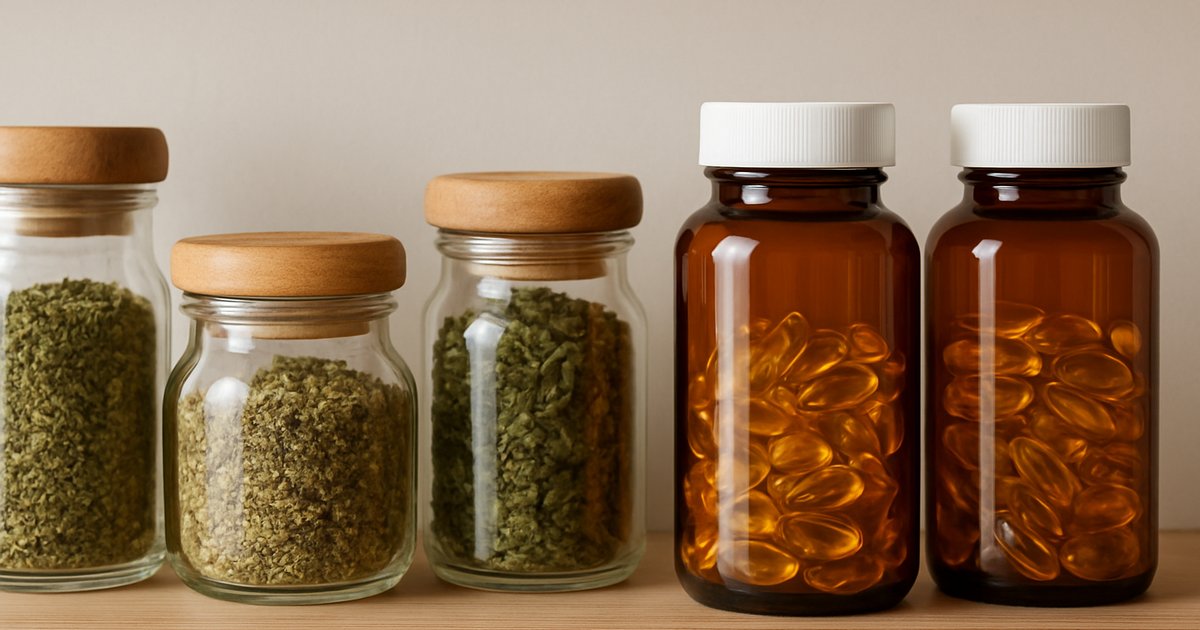
The Mediterranean diet naturally includes omega-3 fats from fish, but supplements can be beneficial, especially for those less inclined towards fish. Omega-3 supplements help lower triglycerides and support arterial function. Choosing a reputable brand with minimal additives ensures quality. Additionally, salt-free herb blends are excellent for flavoring food without the hypertension risks of excess sodium.
Traditional Western vs Mediterranean Diet: What's Better?
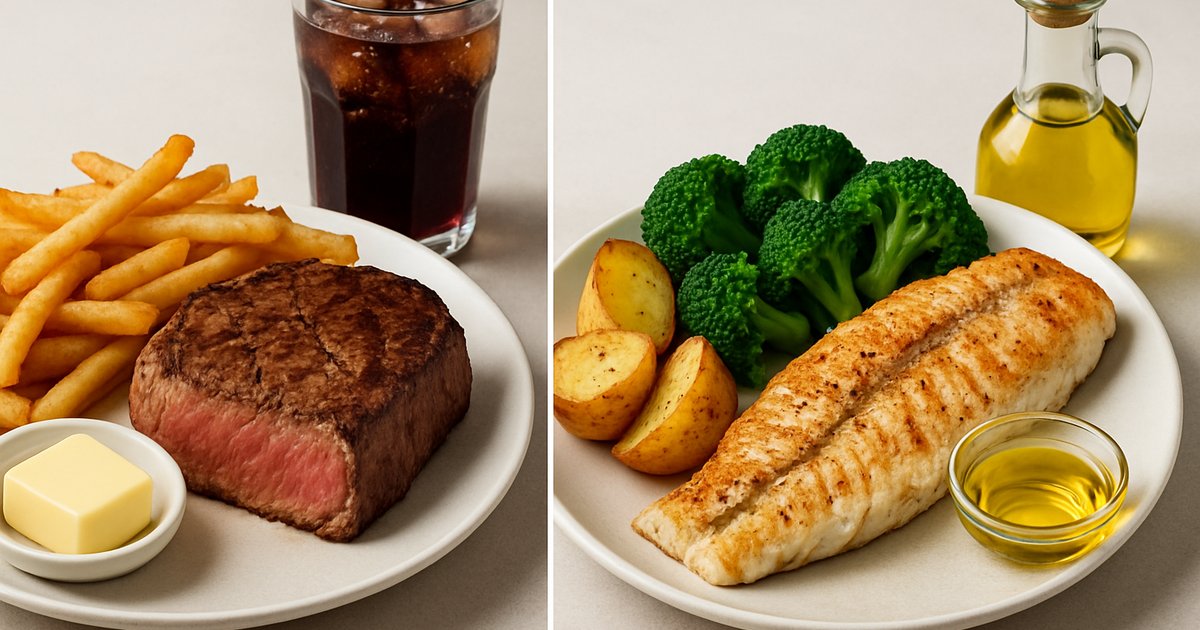
Category | Traditional Western Diet | Mediterranean Diet |
|---|---|---|
Main Protein Sources | Red and processed meats | Fish, poultry and legumes |
Primary Fat Sources | Saturated fats, butter | Monounsaturated fats, olive oil |
Carbs | Refined grains | Whole grains |
Typical Additions | Salt, sugar | Herbs, spices |
Dairy | High-fat, processed | Low-fat, natural |
Frequently Asked Questions
What are the main components of the Mediterranean diet?
The main components include plant-based foods such as fruits, vegetables, whole grains, legumes, nuts, and olive oil, along with fish and poultry.
How does the Mediterranean diet compare to other diets?
Unlike restrictive diets, it emphasizes variety and balance, promoting heart health through nutrient-rich foods.
Can I lose weight on the Mediterranean diet?
Yes, due to its focus on whole foods and balanced meals, it can support weight loss and maintenance while improving overall health.
Is the Mediterranean diet suitable for vegetarians?
Absolutely, it can be adapted to a vegetarian lifestyle by focusing on legumes, vegetables, and healthy fats.
The Mediterranean diet offers a holistic approach to maintaining heart health and managing blood pressure. By prioritizing omega-3s, healthy fats, and nutrient-rich foods, it aligns well with natural cardiovascular management strategies. Ready to make a heart-healthy change? Explore our Mediterranean recipes to begin your journey.
This article is for informational and educational purposes only. It does not constitute medical advice, diagnosis, or treatment, and is not a substitute for a conversation with a qualified healthcare provider. Individual health needs vary.
Cooking times and temperatures provided on this website are intended as general guidelines and may vary depending on your oven, equipment, ingredients, and personal preferences. We are not responsible for food that is overcooked, undercooked, or cooked to a preferred doneness differently than expected. Always use your best judgment and check food for doneness and safe internal temperatures when appropriate.
Up Next
Keep reading

Choosing the Right Water Treatment for Your Contaminants
Discover how to choose a water treatment that matches specific contaminants in your water. This guide explores filtration technologies, systems, and key considerations for health-conscious individuals.

How to Test Your Drinking Water: A Practical Guide
Water testing can ensure your drinking water is safe and free from harmful contaminants. Discover how to test, interpret results, and ensure health.