Choosing the Right Water Treatment for Your Contaminants
Discover how to choose a water treatment that matches specific contaminants in your water. This guide explores filtration technologies, systems, and key considerations for health-conscious individuals.
Clean water is essential for good health, but not all water treatments are created equal. Choosing the right water treatment means matching it to the specific contaminants in your water supply. This article will guide you through understanding your water quality, identifying contaminants, and selecting the best treatment system for your needs. We’ll explore various technologies, certifications, and factors to consider before making a purchase.
Understanding Water Filtration, Purification and Treatment
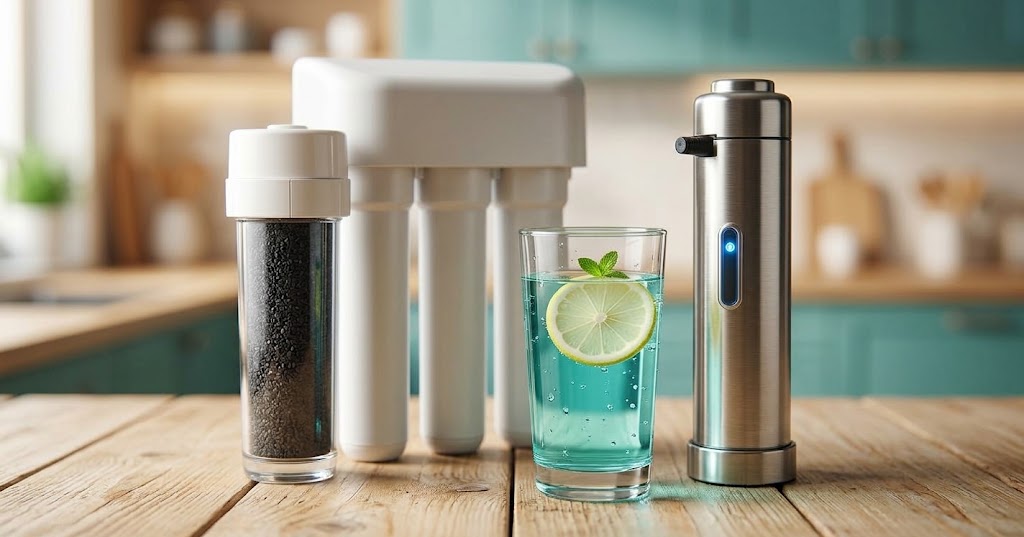
The terms water filtration, purification, and treatment are often used interchangeably, but they have distinct meanings:
Water Filtration: This process removes impurities and particles from water using physical barriers or filters, such as activated carbon or sediment filters.
Water Purification: This method purifies the water by removing chemical contaminants and pathogens. Technologies include UV (ultraviolet) treatment and distillation.
Water Treatment: An umbrella term for processes used to improve water quality. This includes filtration, purification, disinfection, and other methods designed to address specific water quality concerns.
Types of Water Treatment Technologies
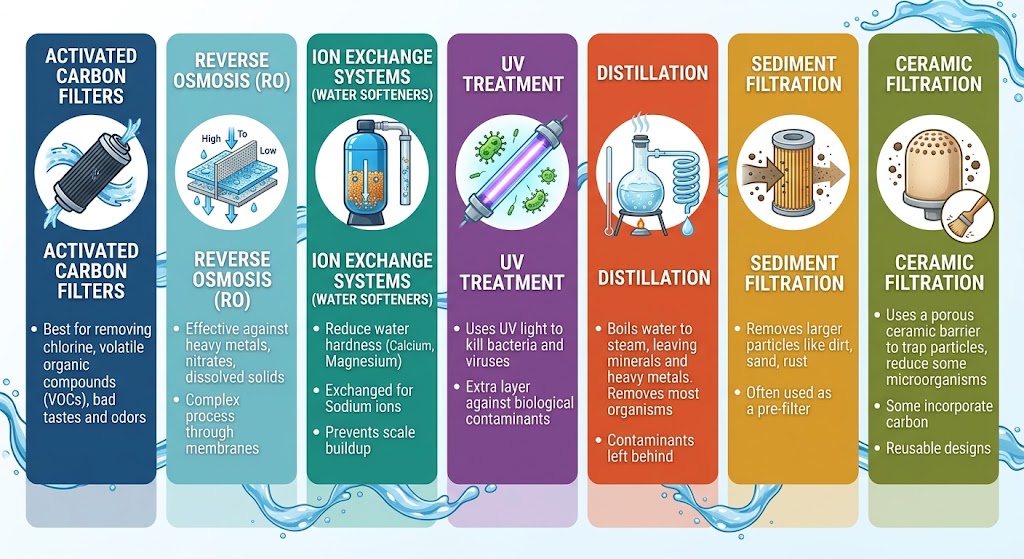
Several water treatment technologies cater to different contaminants:
Activated Carbon Filters: Best for removing chlorine, volatile organic compounds (VOCs), and bad tastes.
Reverse Osmosis (RO): Effective against heavy metals and nitrates by forcing water through a semi-permeable membrane.
Ion Exchange Systems: Reduce water hardness by exchanging calcium and magnesium ions for sodium or potassium ions, helping prevent scale buildup and improving soap performance. This is a water softener system. Water softeners are primarily intended to reduce hardness minerals, not to provide comprehensive drinking-water filtration.
UV Treatment: Uses ultraviolet light to kill bacteria and viruses, adding an extra layer of safety for biological contaminants.
Distillation: Boils water to create steam, removing most organisms along with minerals and heavy metals.
Sediment Filtration: Removes larger particles like dirt, sand and rust from water, often used as a pre-filter.
Ceramic Filtration: Uses a porous ceramic barrier to trap particles and reduce certain microorganisms, depending on the pore size and filter design. Some models incorporate activated carbon to address additional contaminants. Ceramic elements may be cleanable and reusable according to the manufacturer's instructions.
Common Contaminants Addressed by Treatments
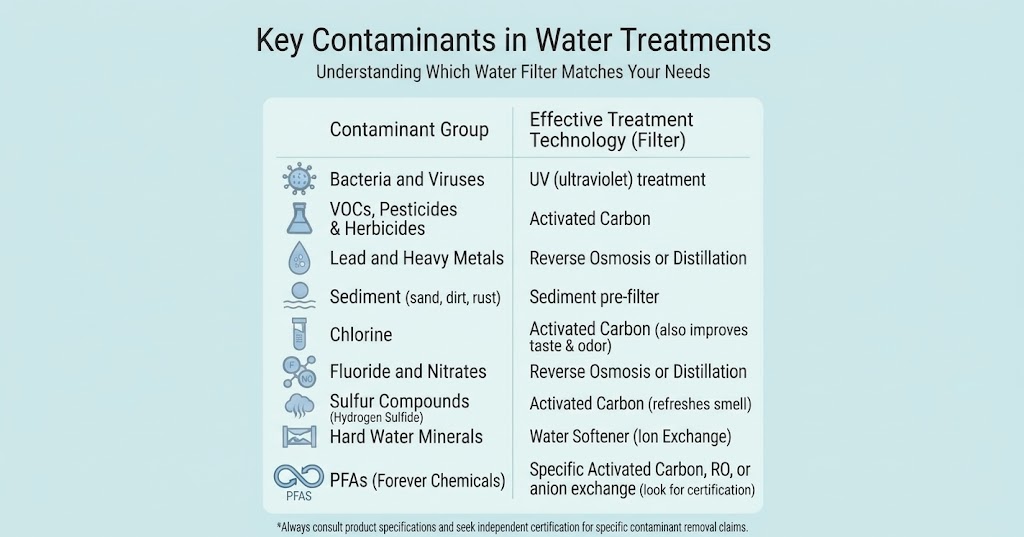
Different treatment technologies are designed to remove or reduce specific contaminants:
Chlorine: Typically filtered using activated carbon, which can also improve taste and odor.
Lead and Heavy Metals: Best tackled with reverse osmosis or distillation systems.
Bacteria and Viruses: UV (ultraviolet) treatment is most effective in deactivating microorganisms.
Fluoride and Nitrates: Often removed using reverse osmosis or specific distillation processes.
Sulfur Compounds: Hydrogen sulfide can cause a rotten-egg smell. Activated carbon filters can refresh water smell.
Sediment and Suspended Particles: Sediment filters remove particles such as sand, dirt, and rust. They are commonly used as a pre-filter to protect other treatment components.
Hard Water Minerals: Water softeners using ion exchange reduce calcium and magnesium, which cause scale buildup.
Arsenic: Certain reverse osmosis systems and specialized adsorption or ion exchange media can reduce arsenic. Performance depends on the form of arsenic present and the treatment system.
PFAS (Forever Chemicals): Certain activated carbon filters, reverse osmosis systems, and anion exchange systems can reduce specific PFAS compounds. Look for independent certification and contaminant-specific performance data.
Volatile Organic Compounds (VOCs): Activated carbon can reduce certain VOCs, including some solvents and chemicals that affect taste and odor.
Pesticides and Herbicides: Certain activated carbon filters and other specialized treatment technologies can reduce specific agricultural chemicals.
Choosing the Right System for Your Home
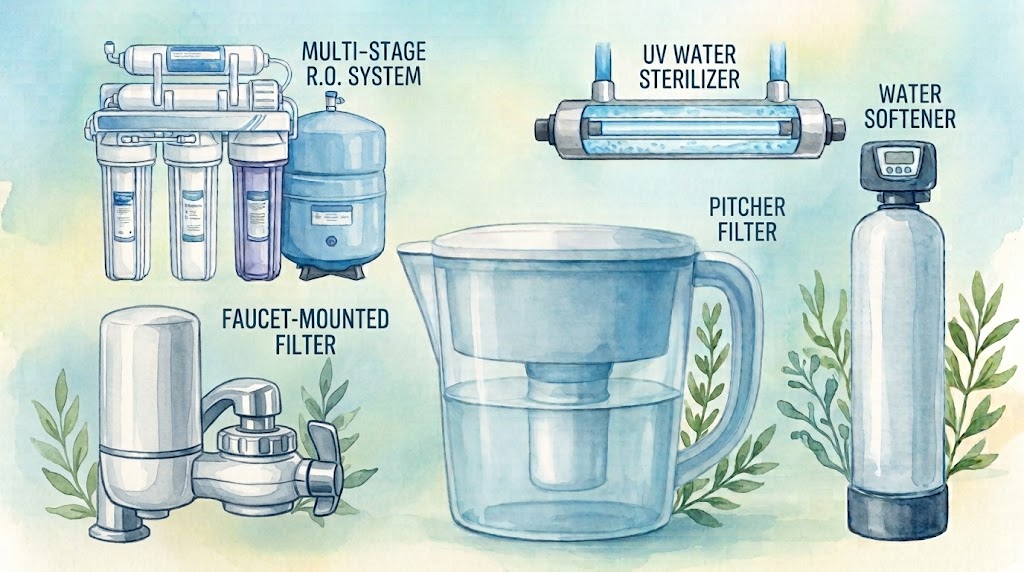
Not every system removes every contaminant. Even filters using the same technology can have different capabilities. Brand, model, filter types, maintenance, and certification all matter.
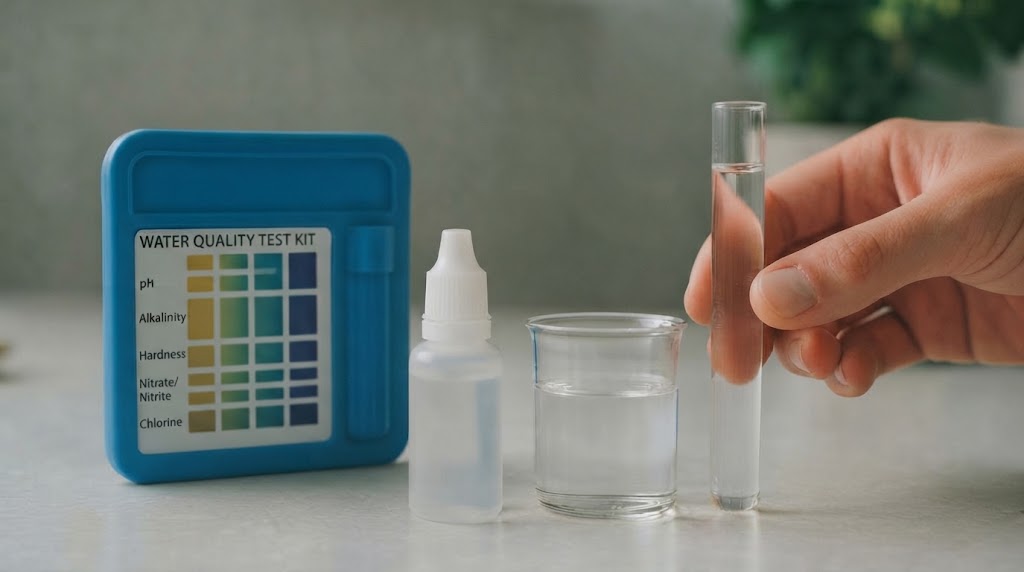
Test your water before choosing a system. Private well owners should consider laboratory testing for contaminants relevant to their location and water source. Municipal water customers can review their water supplier's annual water quality report, while recognizing that conditions can vary within a home.
For a credible reference, consult the U.S. Environmental Protection Agency's information on drinking water treatment and NSF's drinking water treatment standards.
Before choosing a system, consider your water quality, the contaminants you want to address, the manufacturer's performance data, certifications, filter life, maintenance, installation and long-term cost.
The following comparison explores common types of water treatment systems, their advantages and limitations, and the factors to consider when selecting one for your home.
*Always consult product specifications and seek independent certification for contaminant removal claims.
Treatment Type | Technology | Contaminants / Targets | Advantages | Limitations | Cost | Installation |
|---|---|---|---|---|---|---|
Pitcher Filters | Activated Carbon | Chlorine taste and odor; certain VOCs, depending on certification | Easy to use, portable, and suitable for small volumes of drinking water | Limited capacity, frequent refilling, and regular cartridge replacement | Low | Self |
Faucet-Mounted Filters | Activated Carbon / Carbon Block | Chlorine taste and odor; certain VOCs and other contaminants if specifically certified | Convenient, attaches directly to compatible taps, and filters water as needed | May reduce water flow, may not fit every faucet, and requires cartridge changes | Low to Moderate | Usually Self |
Countertop Systems | Activated Carbon, Ceramic, or Multi-Stage Filtration | Varies by system; may include chlorine, sediment, and certain microorganisms or chemicals when specifically rated | Convenient access to filtered water, with some models offering larger capacity than pitchers | Takes up counter space; capabilities vary substantially by model | Low to High | Usually Self |
Under-Sink Filtration Systems | Activated Carbon / Multi-Stage Filtration | Chlorine taste and odor; certain chemicals or metals, depending on certification | Hidden installation, convenient access to treated drinking water, and no countertop clutter | May require a dedicated faucet or plumbing changes; cartridges need periodic replacement | Moderate to High | Self or Professional |
Reverse-Osmosis (RO) Systems | Semipermeable Membrane, Often Combined with Pre- and Post-Filters | Can reduce dissolved salts, certain heavy metals, nitrates, and other contaminants, depending on the model and certification | Broad contaminant-reduction capabilities; | Produces reject water, requires membrane and filter maintenance, and may remove beneficial minerals | Moderate to High | Self or Professional |
Water Softeners | Ion Exchange (Cation Exchange Resin) | Targets calcium and magnesium, the primary minerals responsible for water hardness | Reduces limescale buildup, helps protect plumbing and appliances, and improves soap lathering | Typically adds sodium or potassium, requires salt and periodic regeneration, and does not provide broad-spectrum filtration | Moderate to High | Usually Professional |
Whole-House Systems | Multi-Stage Filtration; Technology Depends on Treatment Needs | Varies by configuration; may target sediment, chlorine, iron, or specific contaminants identified through testing | Treats water at the point it enters the home, providing treatment to multiple taps and appliances | Higher initial cost, installation space requirements, and maintenance needs; not every configuration removes every contaminant | High to Very High | Professional |
Swipe horizontally to view all comparison columns.
How to Select the Best Water Treatment for Your Home
Test Your Water: Conduct a water quality test to identify specific contaminants present in your water supply.
Research Filtration Types: Match contaminants with the most effective filtration technology.
Consider Certifications: Look for filters certified by reputable organizations like NSF, indicating tested efficiency.
Assess Household Needs: Consider your household size, water usage, and specific filtration needs.
Budget for Costs: Account for initial purchase, installation costs, and ongoing maintenance expenses.
Evaluate Installation Requirements: Determine if you need a DIY or professional installation based on system complexity.
Read User Reviews: Look for consumer feedback on performance and reliability of specific models.
Pitcher Filters vs Faucet-Mounted Filters: What's Better?
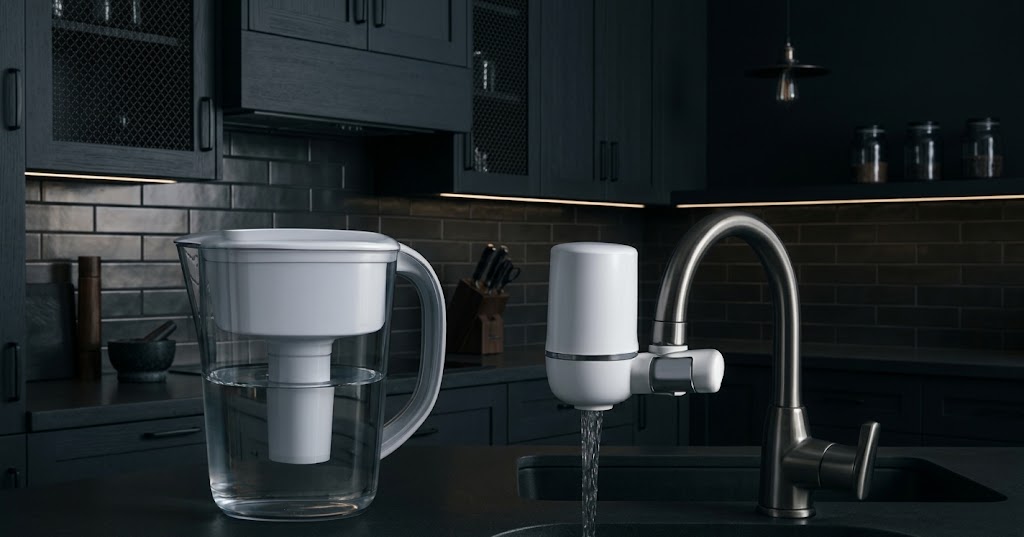
| Feature | Pitcher Filters | Faucet-Mounted Filters |
|---|---|---|
| Installation | No installation required | Simple, fits most faucets |
| Capacity | Limited by pitcher size | Continuous flow as needed |
| Cost | Generally cheaper | Moderate |
| Maintenance | Frequent filter changes | Occasional filter changes |
| Effectiveness | Basic filtration | Better for more contaminants |
Frequently Asked Questions
What is the most effective type of water treatment?
The effectiveness of a water treatment system depends on the contaminants present. Reverse osmosis is generally very effective for removing a wide range of pollutants.
How often should water filter replacements occur?
The frequency of replacing your filter varies based on type and usage, but typically every 2-6 months is recommended for optimal performance.
Does certification guarantee a treatment will address all contaminants?
Certifications like NSF assure basic standards but always check specific claims of contaminant removal as they may not cover all substances.
Are whole-house systems necessary for everyone?
Whole-house systems are ideal for comprehensive water treatment but may be an over investment if only certain faucets need filtration.
Choosing the right water treatment is crucial for ensuring your family's health and wellness. By identifying the specific contaminants in your water and understanding different filtration technologies, you can make an informed decision. Remember to consider certifications, installation requirements, and ongoing costs. Start your journey towards cleaner water today!
This article is for informational and educational purposes only. It does not constitute medical advice, diagnosis, or treatment, and is not a substitute for a conversation with a qualified healthcare provider. Individual health needs vary.
Cooking times and temperatures provided on this website are intended as general guidelines and may vary depending on your oven, equipment, ingredients, and personal preferences. We are not responsible for food that is overcooked, undercooked, or cooked to a preferred doneness differently than expected. Always use your best judgment and check food for doneness and safe internal temperatures when appropriate.
Up Next
Keep reading

Mediterranean Diet: Heart Health & Blood Pressure Benefits
Discover how the Mediterranean diet supports heart health and manages blood pressure naturally. Learn about key foods, dietary swaps, and more.
How to Test Your Drinking Water: A Practical Guide
Water testing can ensure your drinking water is safe and free from harmful contaminants. Discover how to test, interpret results, and ensure health.