How to Test Your Drinking Water: A Practical Guide
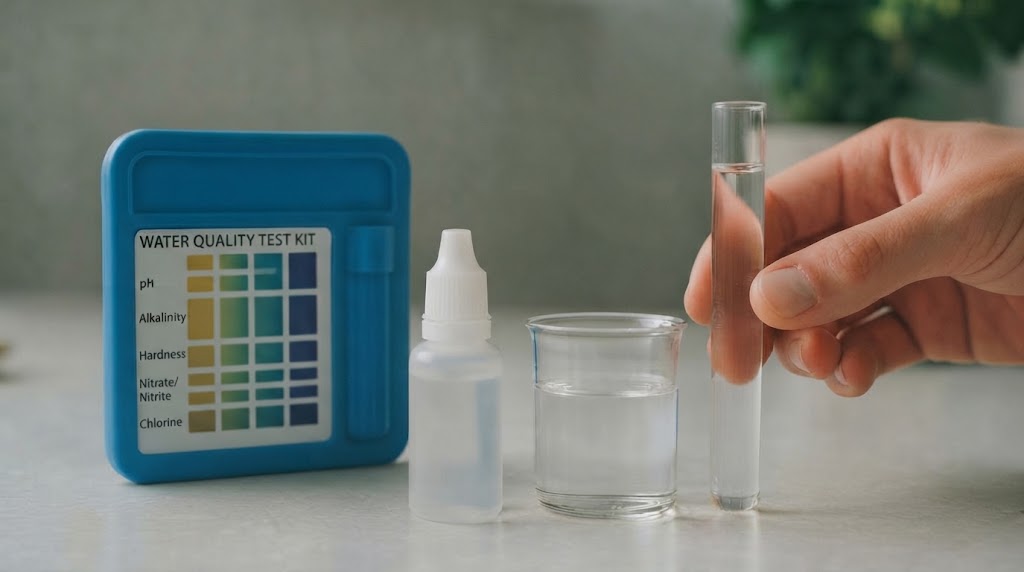
Water testing can ensure your drinking water is safe and free from harmful contaminants. Discover how to test, interpret results, and ensure health.
Why Testing Drinking Water can be Useful?
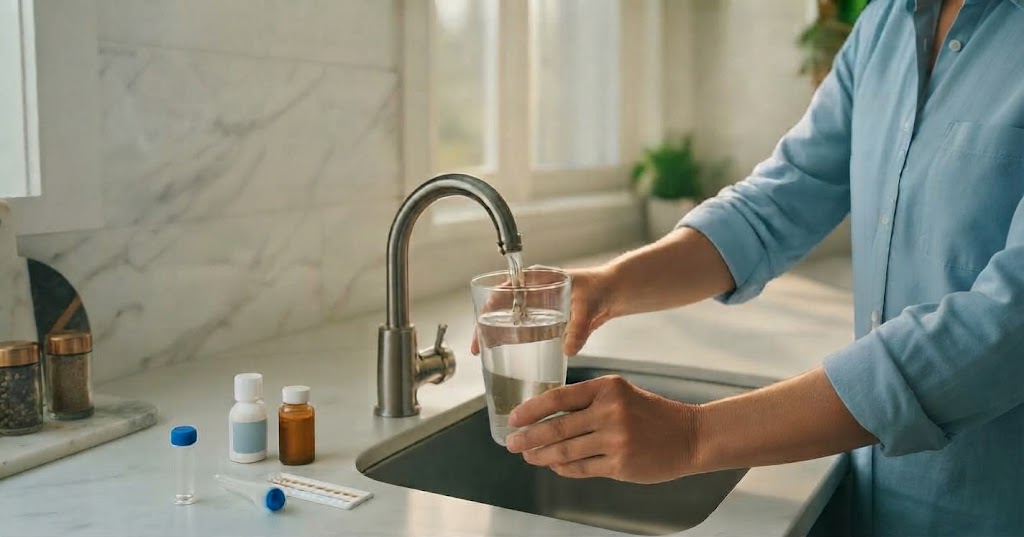
- Contaminants: These include heavy metals like lead, pathogens such as E. coli, and chemical pollutants like pesticides.
- Health Impact: Long-term exposure to these elements can pose significant health risks.
- Environmental Changes: Natural disasters and man-made pollution can suddenly alter water quality.
Who Should be Testing Their Water?

Regular water testing is crucial for anyone concerned about the quality and safety of their water supply. Homeowners with private wells should test their water at least annually, as wells are prone to contamination from agricultural runoff and nearby septic systems. Rural residents who rely on private wells should be particularly vigilant.
Families with young children or pregnant women: Consider water testing a priority. These groups are more vulnerable to contaminants like lead and nitrates, which can have serious health effects.
Households in older homes: Even if you rely on municipal water, ensure regular testing, especially those with lead pipes, to make sure no harmful particles are leaching into your water.
Unexplained changes in water quality: If you notice any changes in the taste, smell, or appearance of your water, immediate testing is advised.
Aquarium enthusiasts: Proper water quality is crucial for the health and survival of aquatic life, with regular testing necessary to maintain the appropriate pH and mineral balance.
Understanding Different Water Sources

- Municipal or Public Water: Typically subjected to regular testing by the local water authority, but issues can still occur, especially if older infrastructure is involved.
- Private Well Water: Not regulated by authorities, so owners are solely responsible for testing. They are more susceptible to contamination from nearby agricultural or industrial activities.
- Older Homes: Plumbing in older homes might leach lead and other metals into the water, necessitating regular monitoring. Testing needs differ among sources, but the underlying goal remains the same: safe, clean water.
What is the Difference between a Detection, a Regulatory Limit, and a Health-Based Guideline

Here’s how they differ:
Detection: This simply refers to the identification of a contaminant in your water supply. Detection doesn’t mean that the water is unsafe, only that a particular substance has been found. Modern testing techniques can often detect very minute concentrations.
Regulatory Limit: Regulatory limits are legally enforceable standards set by governmental bodies like the Environmental Protection Agency (EPA). For instance, the EPA sets a regulatory limit for substances like lead in drinking water. The EPA's action level for lead in drinking water is 0.015 mg/L (15 parts per billion (ppb)). If lead concentrations exceed this level in more than 10% of sampled taps, the water system must take additional actions to control lead exposure. The EPA's regulations are constantly changing so it is important to make sure the you look at their most updated information. US EPA
Health-Based Guideline: These guidelines provide suggested levels of contaminant exposure that aim to protect public health, taking into consideration specific population vulnerabilities. These are not legally enforceable but help set regulatory limits. For example, a guideline might be set for sensitive groups such as pregnant women or children.
At-Home Water Test Kits vs. Laboratory Services
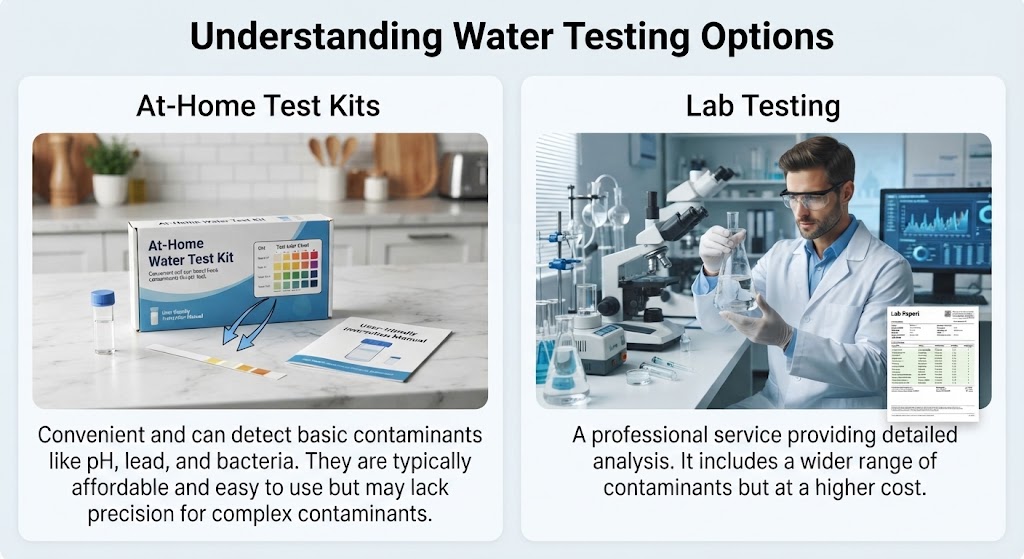
When it comes to water testing, you have options ranging from at-home water test kits to more comprehensive laboratory analyses.
At-Home Test Kits: Convenient and can detect basic contaminants like pH, lead, and bacteria. They are typically affordable and easy to use but may lack precision for complex contaminants.
Lab Testing: A professional service providing detailed analysis. It includes a wider range of contaminants but at a higher cost.
Certified Laboratory: Offers the most comprehensive testing, essential for those with specific health concerns or unique water systems.
Choosing the right testing approach should be based on individual needs, water source, and budget.
What Common Contaminants Consumers may want to test for and Why
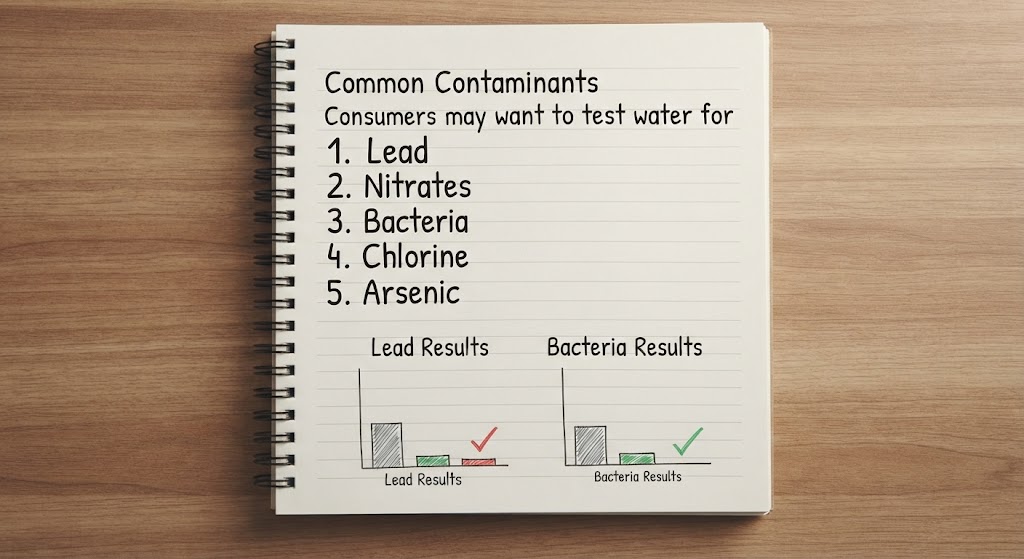
Understanding the common contaminants that might be present in your drinking water is crucial for maintaining good health. Here are some key substances to test for:
Lead: This toxic metal can leach into water from corroded pipes and is especially harmful to children, affecting brain development. Regular testing is vital in older homes.
Nitrates: Often a result of agricultural runoff, high nitrate levels can be particularly dangerous for infants. High levels of nitrate in drinking water can cause methemoglobinemia, also known as “blue baby syndrome,” a potentially life-threatening condition in infants. Testing is essential, especially in rural areas.
Bacteria: Microorganisms like E. coli can indicate contamination from sewage or animal waste, posing a significant health risk. Municipal water supplies regularly check for this, but private wells should be tested too.
Chlorine: While used to disinfect water, excessive levels can lead to harmful health effects. Monitoring can ensure safe concentrations.
Arsenic: Some regions are prone to arsenic contamination from natural sources, necessitating regular testing to prevent long-term health issues, including cancer.
Interpreting Water Test Kit Results
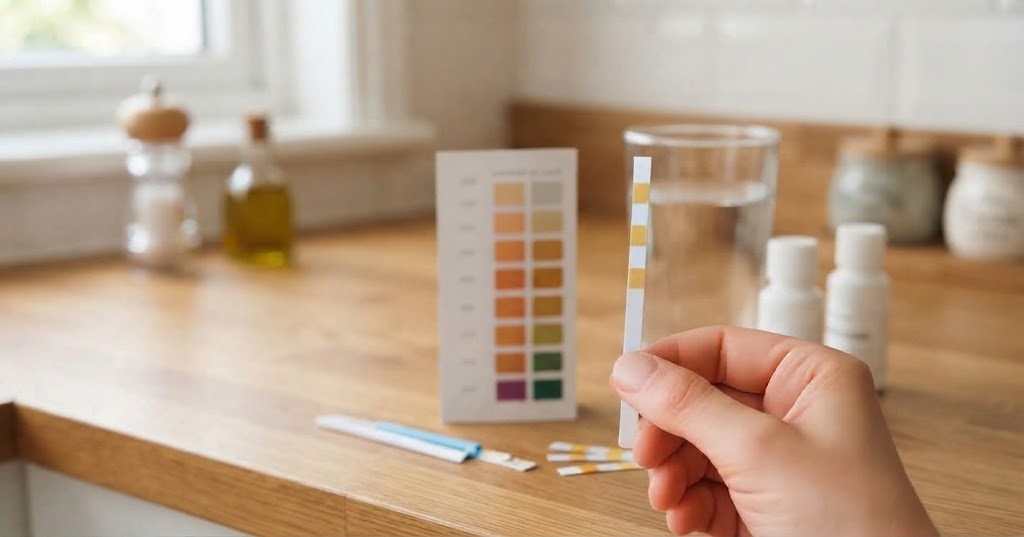
Understanding your water test kit results doesn't have to be daunting. Here are some essential tips:
Color-Coding: Many kits use a color chart to indicate the levels of different contaminants.
Safe Levels: Compare results against guidelines provided by organizations like the EPA. A detection indicates presence, not always a health risk.
Regulatory Limits: Refers to legal thresholds set to ensure safety, while health-based guidelines may suggest stricter standards.
Knowing these distinctions will empower you to take the right actions based on the test findings.
If results are alarming, contacting local health authorities for further water testing and guidance is advisable.
What To Do If a Test Detects a Contaminant

Discovering a contaminant in your drinking water can be concerning, but taking prompt and effective action is key. Here's a practical guide to help you navigate through this situation.
Identify the Contaminant: Review the water testing report to understand the specific contaminant and its potential health effects. Consider common offenders like lead, chlorine, or bacteria.
Consult Professionals: Contact a water quality expert or local health department for advice on the severity and possible health implications specific to the detected contaminant.
Consider Temporary Measures: Use bottled water or a water filtration system designed to address the identified contaminant until a permanent solution is implemented.
Plan Long-Term Solutions: Depending on the contaminant, you may need to install a home filtration system, replace plumbing, or address issues at the local supply level.
Regular Follow-Up Testing: Periodically retest your water to ensure the issue is resolved and remains within safe limits.
How to Choose the Right Home Water Testing Kit
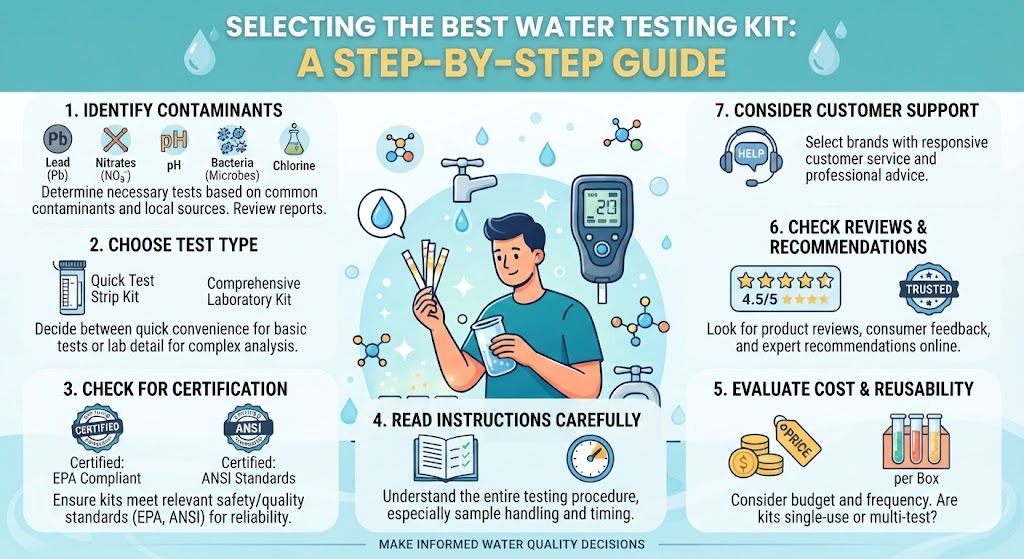
Choosing the right water testing kit can be overwhelming with so many options available. Here’s a step-by-step guide to help you select the best kit for your needs:
Identify Contaminants
Start by determining what contaminants you need to test for. Common ones include lead, nitrates, pH levels, bacteria, and chlorine. Check any recent water quality reports or consider potential sources of contamination in your area.
Choose Test Type
Decide between a test strip kit or a more comprehensive laboratory kit. Test strip kits are convenient and quick, excellent for basic tests. For more detailed results, a lab kit may be necessary.
Check for Certification
Ensure the kit is certified by relevant safety and quality standards, such as those from the Environmental Protection Agency (EPA) or American National Standards Institute (ANSI). Certification indicates reliability and accuracy.
Read Instructions Carefully
Read and understand the testing procedure outlined in the kit. Some kits require specific sample handling or immediate testing to ensure accurate results.
Evaluate Cost and Reusability
Consider your budget and how often you plan to test your water. Some kits are designed for single use, while others offer multiple tests per kit. Weigh the cost against the frequency of testing.
Check Reviews and Recommendations
Look for product reviews and consumer feedback online. Recommendations from trusted sources can give you insights into the kit’s reliability and ease of use.
Consider Customer Support
Select a kit from a brand that offers good customer support. In case you run into any issues, having access to professional advice can be invaluable.
Frequently Asked Questions
Why is water testing important for private wells?
Private wells aren't regulated by the government, making homeowners responsible for ensuring water safety, especially in agricultural areas where contamination risk is higher.
How often should municipal water be tested?
Municipal water is regularly tested by local authorities, but home testing can still be done annually or when plumbing issues arise.
What contaminants should I be most concerned about in older homes?
Lead and copper from old plumbing are primary concerns, along with potential bacteria if the system hasn't been updated or maintained.
Can one water test kit detect all possible contaminants?
No, basic kits cover common contaminants, but comprehensive lab tests are needed for a complete assessment.
Water testing is a key step in ensuring your drinking water's safety and your health. By understanding the types of tests available and common water contaminants, you can make informed decisions. Regular testing and consulting with professionals when needed can provide peace of mind. Stay proactive and enjoy clean, worry-free water—because health is worth protecting.
Additional Resources
This article is for informational and educational purposes only. It does not constitute medical advice, diagnosis, or treatment, and is not a substitute for a conversation with a qualified healthcare provider. Individual health needs vary.
Cooking times and temperatures provided on this website are intended as general guidelines and may vary depending on your oven, equipment, ingredients, and personal preferences. We are not responsible for food that is overcooked, undercooked, or cooked to a preferred doneness differently than expected. Always use your best judgment and check food for doneness and safe internal temperatures when appropriate.
Up Next
Keep reading

Mediterranean Diet: Heart Health & Blood Pressure Benefits
Discover how the Mediterranean diet supports heart health and manages blood pressure naturally. Learn about key foods, dietary swaps, and more.
Choosing the Right Water Treatment for Your Contaminants
Discover how to choose a water treatment that matches specific contaminants in your water. This guide explores filtration technologies, systems, and key considerations for health-conscious individuals.