Water Contamination: Essential Facts About Drinking Water
Learn about water contamination, its sources, and potential health effects. Discover ways to ensure your water quality and safety.
What water contamination means and why it matters?
Water contamination refers to the presence of harmful substances in drinking water, including chemicals, pathogens, or radioactive materials that can pose severe health risks. These contaminants can enter water supplies through various means such as industrial discharge, agricultural runoff, and improper waste disposal, affecting both surface and groundwater resources.
Health Impact: Exposure to contaminated water has been linked to diseases such as cholera, dysentery, and hepatitis A. In the long term, certain chemicals like lead and arsenic can affect brain development in children and increase cancer risk in adults.
Environmental Concerns: Besides human health, contaminated water can disrupt ecosystems, harm aquatic life, and degrade water quality further, making it challenging for wildlife to thrive.
Economic Cost: The consequences of water contamination can extend to economic burdens. Healthcare costs due to waterborne diseases and the expense of treating contaminated water can place financial strain on communities and governments alike.
The implications of water contamination are significant, impacting not just a particular section of the population but everyone who relies on clean water for daily consumption. Contaminated drinking water can lead to serious health issues, including gastrointestinal infections, reproductive problems, and neurological disorders. Even trace amounts of pollutants can accumulate over time, posing chronic health risks.
To safeguard our health and environment, understanding the sources and effects of water contamination is crucial. It's not limited to vulnerable populations or developing regions but is a global issue requiring immediate attention. Therefore, adopting responsible practices such as proper waste disposal, reducing chemical usage, and supporting water protection initiatives can help mitigate these risks.
Practical Insight: Regularly testing your home's drinking water and advocating for clean water policies at local and national levels are steps everyone can take to ensure safe and clean water for all. Proactive measures not only protect personal health but also contribute to broader environmental sustainability.
Where do drinking-water contaminants come from?
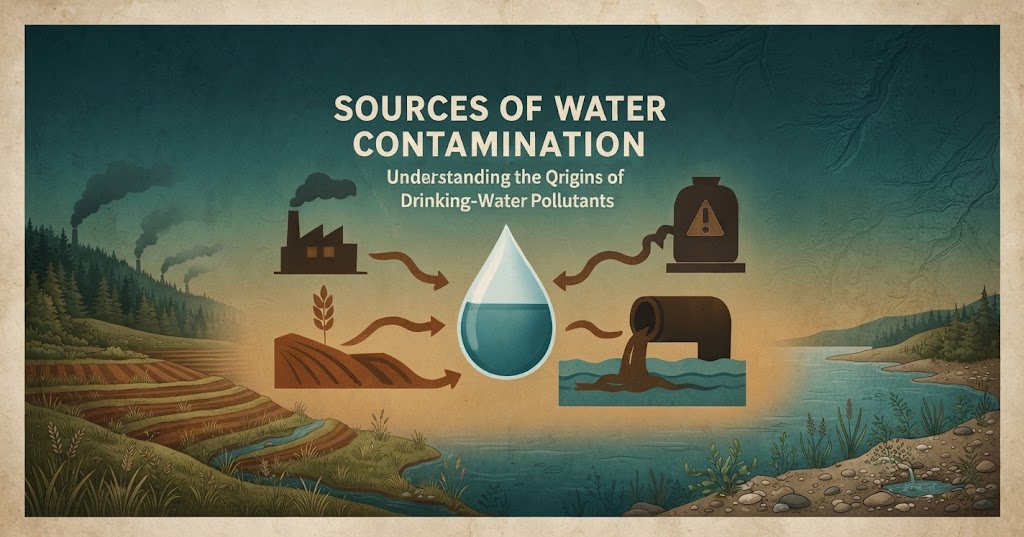
Drinking water contaminants can emerge from multiple sources that affect water quality. These sources range from municipal water supplies to private wells and beyond.
Municipal Water Supplies: Although generally regulated, contaminants can still infiltrate these systems due to aging infrastructure.
Private Wells: Lacking standardized treatment, these are more susceptible to contamination.
Agricultural Runoff: Pesticides and fertilizers easily leach into surrounding water bodies.
Industrial Pollution: Effluents from factories contribute to chemical contaminants.
Aging Infrastructure: Old pipes can introduce metals like lead into the water supply.
Flooding: Environmental events might flush contaminants into supplies.
Being aware of these sources allows you to take proactive steps in assessing and improving water quality.
What are the major categories of contaminants?
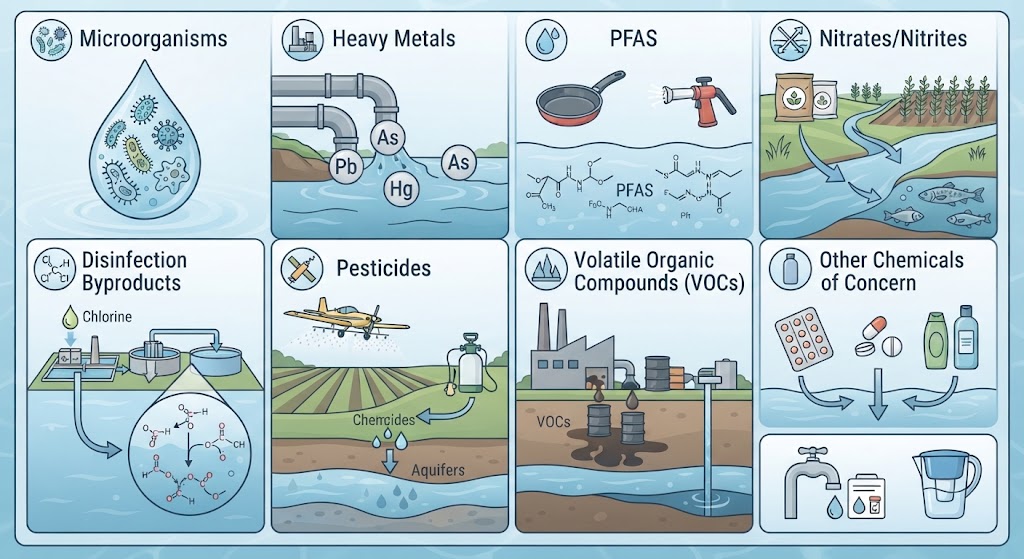
Microorganisms: These include bacteria, viruses, and parasites found in water sources, especially where sanitation is poor. Microorganisms can cause a range of illnesses, from mild gastroenteritis to severe diseases like cholera.
Heavy metals: Metals such as lead, arsenic, and mercury can seep into the water supply through industrial discharges and plumbing systems. Heavy metals are toxic and can cause significant health problems, including neurological damage and kidney failure.
PFAS: Per- and polyfluoroalkyl substances (PFAS) are synthetic chemicals used in various products like non-stick cookware and firefighting foams. Known as "forever chemicals," PFAS are incredibly persistent in the environment and can accumulate in the human body, leading to health risks such as cancer and developmental issues.
Nitrates/Nitrites: Commonly found in agricultural runoff, these compounds can contaminate water supplies, posing risks particularly to infants, causing conditions like methemoglobinemia or "blue baby syndrome."
Disinfection byproducts: Formed when disinfectants used in water treatment react with natural organic matter. Some byproducts, such as trihalomethanes, are linked to increased cancer risk.
Pesticides: These agricultural chemicals can leach into water sources, creating toxic environments for aquatic life and humans. Pesticides have been associated with various health issues, including reproductive and endocrine disorders.
Volatile Organic Compounds (VOCs): Found in industrial solvents, these compounds can enter water supplies through spills and leaks. Long-term exposure to VOCs is linked to liver damage and increased cancer risk.
Other Chemicals of Concern: Various other chemicals, such as pharmaceuticals or personal care products, often find their way into water systems, potentially impacting health and ecosystems.
Practical Insight: Regularly testing your water supply and using certified filtration systems can help reduce exposure to these harmful contaminants, ensuring safer drinking water for you and your family.
Differences between Pollutants vs Naturally Occurring Substances
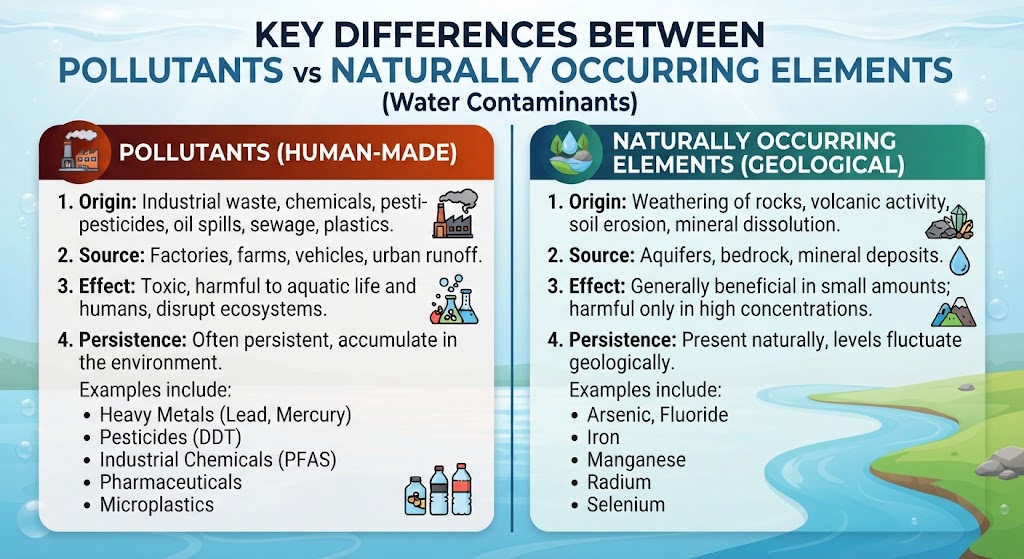
Understanding the distinction between pollutants and naturally occurring substances in water is crucial when addressing water contamination. These elements affect water quality differently and can have varied impacts on health.
Pollutants: Unnatural Intruders
Pollutants are chemicals and compounds that enter water sources due to human activities. They are typically harmful and can be challenging to manage. Common pollutants include:
Industrial Chemicals: Substances like PCBs (polychlorinated biphenyls) and heavy metals such as mercury and lead result from manufacturing processes and industrial waste.
Pesticides and Herbicides: Runoff from agricultural fields introduces these chemicals into water systems.
Pharmaceuticals: Residues from medications flushed down toilets and drains often reach water supplies.
Microplastics: Tiny plastic particles from consumer products break down and infiltrate water bodies, causing long-term pollution.
Naturally Occurring Substances: The Earth's Ingredients
In contrast, naturally occurring substances originate from the environment. These include:
Minerals: Elements such as calcium, magnesium, and fluoride enter water as it flows over rocks.
Bacteria: While some bacteria are necessary for ecosystems, others, like E. coli, can pose health risks.
Nutrients: Elements like nitrogen and phosphorus are crucial for aquatic life but can become harmful when concentrated.
While naturally occurring substances are essential to water systems, their balance is vital to maintaining water safety. A surplus can disrupt ecosystems and lead to contamination.
Addressing water contamination requires understanding both pollutants and naturally occurring substances. Water treatment and regular testing remain integral in ensuring safe drinking water for all, balancing human activities with natural processes.
Importance of Concentration and Exposure
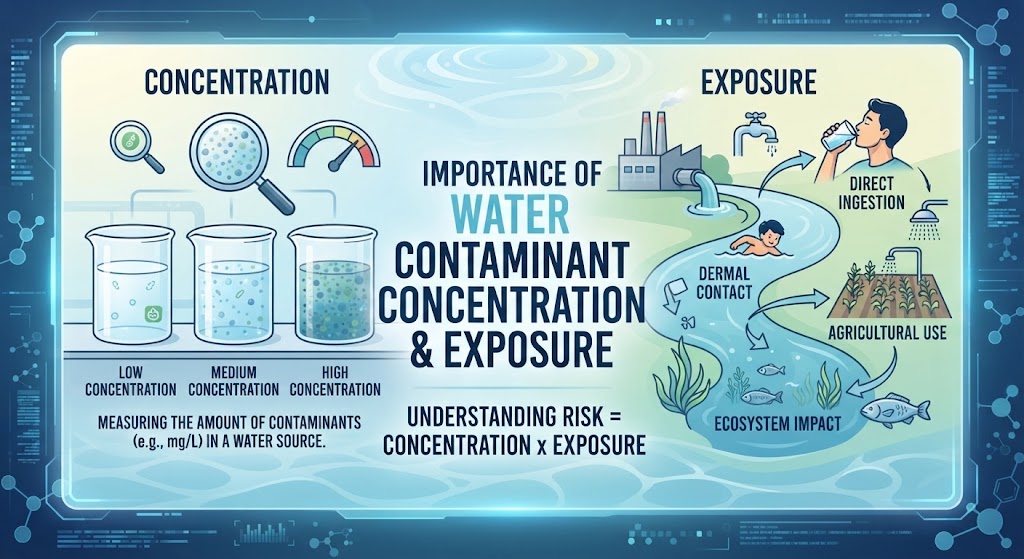
When discussing water contamination, it’s crucial to understand that the mere presence of contaminants does not necessarily lead to illness. Several factors determine the risk associated with contaminated drinking water. Let’s delve into the importance of concentration and exposure.
Concentration Matters
The concentration of a contaminant plays a vital role in assessing potential health risks. A small amount of a toxin may not have any noticeable effects, while higher concentrations could be harmful. This is why health and safety guidelines often specify acceptable limits for various substances.
Duration of Exposure
Duration, or how long one is exposed to a contaminant, also affects risk. Short-term exposure to a small amount of a contaminant might not cause health issues, while prolonged exposure could be dangerous. For example, consuming water with low levels of a toxin over many years can have cumulative effects.
Route of Exposure
The route through which a contaminant enters the body is significant. Drinking contaminated water, inhalation of aerosols, or skin contact can lead to different health outcomes. The body might efficiently eliminate a toxin taken in by one route but not another.
Individual Factors
Individual factors such as age, health condition, and genetic predispositions can influence how contaminants affect a person. Infants, pregnant women, and immunocompromised individuals, for instance, are generally more vulnerable.
Regulatory Limits and Health-Based Guidance
Governments set regulatory limits and provide health-based guidance to protect public health. These guidelines take concentration, exposure, and other factors into account to define safety thresholds. Regulatory measures ensure that water suppliers maintain quality and reduce risk factors.
In conclusion, the risk posed by water contamination is not solely determined by the presence of contaminants. Understanding concentration, exposure duration and route, individual susceptibility, and adhering to regulatory standards are crucial elements in managing these risks effectively.
Practical Insight: Regularly check local water quality reports and understand the guidelines to ensure your drinking water's safety.
Drinking Water differences
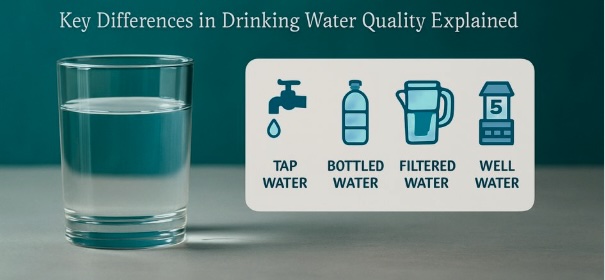
Understanding the differences between various types of drinking water is crucial for managing water contamination risks effectively. Each type of water has its own source, treatment process, and potential contamination issues. Here's a breakdown of common drinking water types:
Tap Water
Tap water is sourced from local reservoirs, lakes, and rivers, with municipal systems treating it to meet safety standards. Common contaminants include bacteria, heavy metals, and chemicals like chlorine. While tap water is generally safe, variations in local treatment and infrastructure quality can affect its safety.
Bottled Water
Bottled water comes from either natural springs or municipal sources, undergoing treatment to ensure purity. Contaminants can include microplastics and chemical leaching from the plastic bottles. Bottled water is convenient but not always better than tap water in terms of quality.
Filtered Water
Filtered water is created by treating tap water with devices that remove impurities like chlorine, lead, and sediments. Common methods include activated carbon filters and reverse osmosis systems. While effective, home filters need regular maintenance to prevent contamination buildup.
Well Water
Well water is directly drawn from underground aquifers and lacks municipal treatment. It is susceptible to contaminants like bacteria, nitrates, and heavy metals, especially if the well is poorly maintained or near agricultural areas. Regular testing and treatment are crucial for ensuring safety.
In conclusion, the choice between these water types depends on individual preference, convenience, and contamination risks. Always consider the source, treatment, and potential contaminants. Insight: Regular testing and maintenance—whether you use a filter or a private well—are key to maintaining the safety and quality of your drinking water.
How to Ensure the Safety of Your Drinking Water
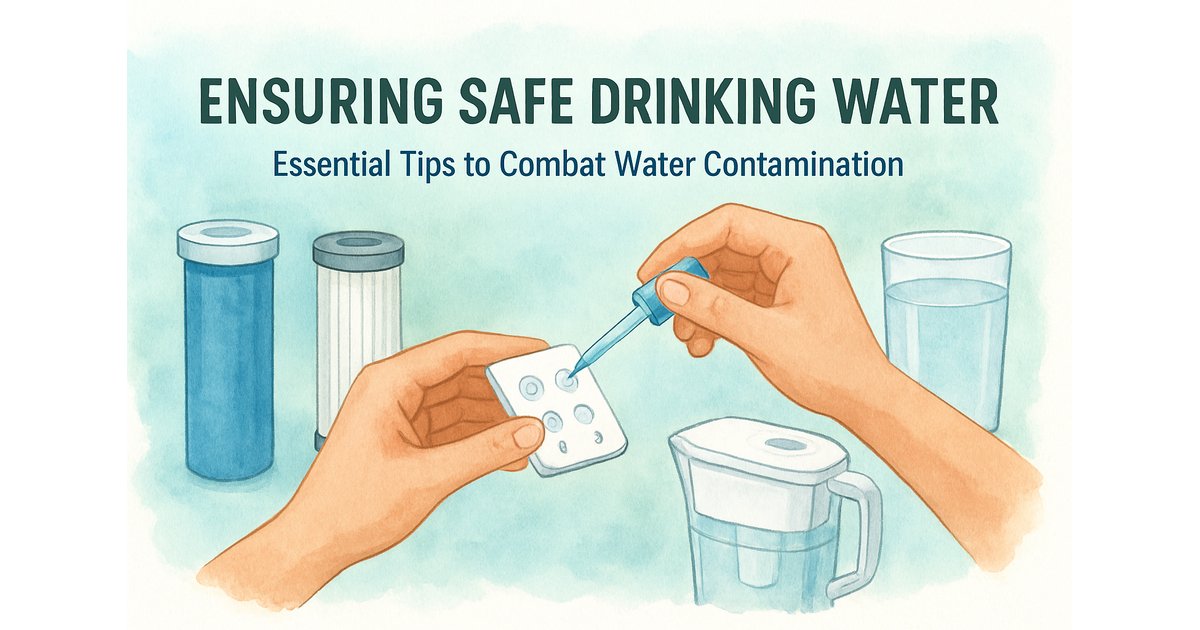
Test your water regularly: Invest in a water testing kit or hire a professional to check for contaminants like bacteria, lead, or pesticides. This is particularly important if you use well water.
Install a water filtration system: Choose a filtration system appropriate for the contaminants found in your test. Options include carbon filters, reverse osmosis systems, or distillation units.
Properly seal and maintain wells: If you rely on well water, ensure it's correctly sealed to prevent surface contamination. Regularly inspect and maintain your well to avoid any structural issues.
Avoid cross-contamination: Keep chemical storage and waste away from water sources. Never dispose of hazardous materials in or near water supplies.
Use safe water for cooking and drinking: Boil water if you're unsure of its safety—this can kill bacteria and viruses. Consider bottled water as an alternative in emergency situations.
Stay informed about local water quality: Monitor reports from your local water authority to stay updated on water quality advisories, especially after natural disasters.
Regularly Clean Faucet Aerators: Sediment and debris can collect in faucet aerators and may harbor bacteria. Clean them frequently to maintain water flow and cleanliness.
By following these steps, you can significantly reduce the risk of consuming contaminated drinking water and protect your family’s health.
Frequently Asked Questions
What are drinking water contaminants?
Drinking water contaminants include microorganisms, chemicals, and metals that can affect water quality and health.
How do I test my water quality?
You can use home testing kits or send samples to certified labs for detailed analysis.
Is tap water safe to drink?
Tap water in most areas is safe but can become contaminated. Regular testing and maintenance of plumbing can help.
What types of filters should I use?
Choose filters based on specific contaminants present in your water, as no single filter removes all types.
Can bottled water be contaminated?
Yes, bottled water can also contain contaminants. Always check quality reports.
Water contamination is a critical issue that requires vigilance and informed action. By understanding the sources of contamination and types of treatment options, you can take proactive steps in safeguarding your drinking water. Keep informed, test regularly, and choose the right filtration system to ensure your water remains safe and healthy.
This article is for informational and educational purposes only. It does not constitute medical advice, diagnosis, or treatment, and is not a substitute for a conversation with a qualified healthcare provider. Individual health needs vary.
Cooking times and temperatures provided on this website are intended as general guidelines and may vary depending on your oven, equipment, ingredients, and personal preferences. We are not responsible for food that is overcooked, undercooked, or cooked to a preferred doneness differently than expected. Always use your best judgment and check food for doneness and safe internal temperatures when appropriate.
Up Next
Keep reading

Mediterranean Diet: Heart Health & Blood Pressure Benefits
Discover how the Mediterranean diet supports heart health and manages blood pressure naturally. Learn about key foods, dietary swaps, and more.
Choosing the Right Water Treatment for Your Contaminants
Discover how to choose a water treatment that matches specific contaminants in your water. This guide explores filtration technologies, systems, and key considerations for health-conscious individuals.