
How the Ketogenic Diet Benefits Type 2 Diabetes and Obesity
Discover how the ketogenic diet can assist adults with type 2 diabetes or severe obesity. Explore its mechanisms, benefits, and practical steps for implementation.


In a world where managing type 2 diabetes and tackling obesity are more critical than ever, the keto diet has emerged as a potential game-changer. This low-carb, high-fat diet may sound counterintuitive at first, but its ability to shift our bodies into a fat-burning state called ketosis can offer significant health benefits. Individuals struggling with persistent weight issues and blood sugar imbalances are finding hope in this dietary approach.
The keto diet goes beyond weight loss. It can enhance insulin sensitivity, reduce inflammation, and stabilize blood sugar levels—a trifecta of benefits for those grappling with type 2 diabetes and obesity. But how does it work, and what makes it different from other dietary strategies? In this article, we'll explore the science behind the keto diet's impact on metabolism, its role in disease management, and provide practical tips to get started on your journey towards better health.
As always, consult a healthcare professional before making any major changes to your diet. This article is for informational purposes only and does not constitute medical advice.
Understanding the Ketogenic Diet and Type 2 Diabetes
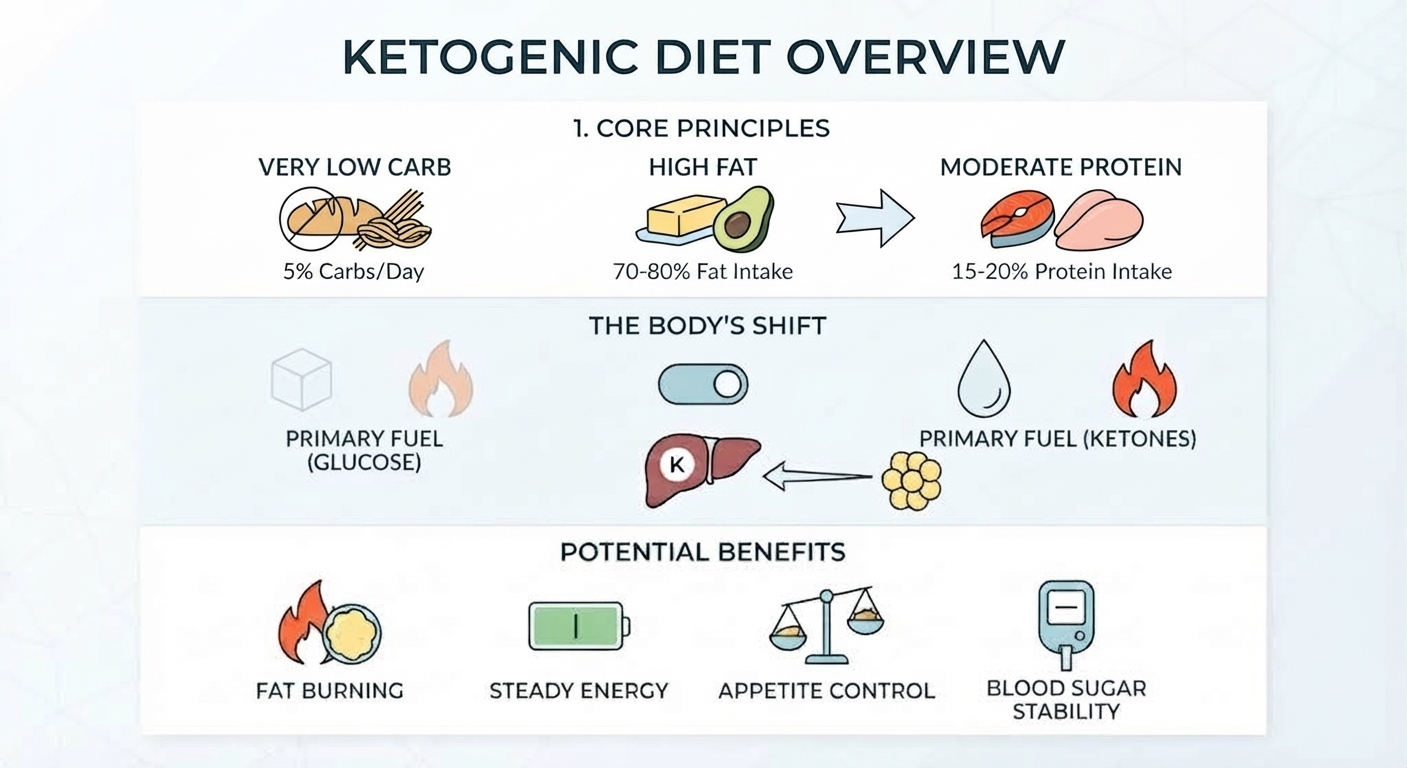
The ketogenic diet offers a promising strategy for those battling type 2 diabetes—a chronic metabolic condition where the body either doesn't produce enough insulin or cannot effectively use the insulin it makes, leading to high levels of sugar in the bloodstream. When blood sugar remains chronically high, it can slowly damage blood vessels and nerves throughout the body, eventually leading to serious health issues like vision loss, nerve pain, kidney failure, and cardiovascular problems. By significantly reducing carbohydrate intake, the body shifts to using fat as the primary energy source, entering a state known as ketosis. This metabolic process can help stabilize blood sugar levels, improve insulin sensitivity, and support overall health management.
Key Benefits
Reduction in Carbohydrate Intake: Dropping carbs forces the body to burn fats, leading to ketosis. Limiting carbohydrates also mitigates the frequent insulin spikes often triggered by carb-heavy foods, enhancing fat burn and energy levels.
Stabilization of Blood Sugar Levels: Ensuring blood sugar levels remain steady helps manage diabetes by avoiding dramatic spikes and dips. Consistent blood sugar levels minimize the risk of long-term complications such as nerve damage, kidney issues, and cardiovascular problems.
Improvement in Insulin Sensitivity: Enhanced insulin sensitivity aids in more effective glucose control. Insulin is the hormone responsible for unlocking your cells so glucose from your bloodstream can enter and be used for energy. When you have improved insulin sensitivity, your cells respond much more efficiently to smaller amounts of insulin, allowing the body to regulate blood sugar levels effectively and counter the insulin resistance that often drives type 2 diabetes. When the body is in a state of ketosis, it becomes even more adept at regulating glucose, directly countering the insulin resistance that excess weight can exacerbate.
Weight Management Support: The high-fat, low-carb nature of the diet helps many adults feel satisfied, potentially leading to reduced calorie intake. Because excess weight can exacerbate insulin resistance, losing weight through this practical avenue can lead to significant improvements in overall glucose control.
Enhanced Practical Well-Being: On a practical level, adults struggling with diabetes may experience enhanced overall well-being and reduced medication dependence, making it a valuable tool to potentially control or even reverse the disease.
Ketogenic Diet as a Solution for Obesity
The keto diet has gained attention as a potential solution for obesity due to its unique approach to weight management. This low-carb, high-fat diet forces the body into a state of ketosis, where fats are burned for energy instead of carbohydrates. By altering the body's primary fuel source, the keto diet can lead to significant weight loss and offer various health benefits.
How the Keto Diet Works
When following the keto diet, carbohydrate intake is drastically reduced, typically to less than 50 grams per day. This restriction causes the liver to convert fat into ketones, which then serve as an alternative energy source. Over time, the body becomes more efficient at burning fat, which can result in weight reduction.
Benefits of the Keto Diet for Obesity
Appetite Suppression: High-fat meals promote a feeling of fullness, reducing overall calorie intake and helping individuals adhere to their weight loss goals.
Increased Fat Loss: By tapping into fat stores for energy, the keto diet can accelerate the loss of body fat, particularly stubborn visceral fat that poses health risks.
Improved Metabolic Health: The ketogenic diet has been shown to improve insulin sensitivity and lower blood sugar levels, which are crucial factors for both obesity and type 2 diabetes.
The keto diet is not a short-term solution but a lifestyle change that encourages mindful eating and long-lasting results. When integrated with an active lifestyle and regular physical activity, it can effectively address obesity and its related health concerns.
Practical Insight: For those considering the keto diet, it’s essential to consult with healthcare professionals to tailor a plan that aligns with individual health needs and goals. Transitioning to this diet can be significant, so proper guidance ensures sustainability and success.
Long-term vs Short-term Weight Management
The keto diet has gained popularity for its ability to assist in both short-term and long-term weight management, especially for those grappling with type 2 diabetes and obesity. In the short term, the reduction in carbohydrate intake, characteristic of the keto diet, prompts the body to enter a state of ketosis. This metabolic shift can result in rapid weight loss as the body begins to burn fat for fuel instead of glucose. For example, individuals may notice a significant drop in weight within the first couple of weeks due to water loss and fat breakdown.
Short-term: Quick weight loss, water weight reduction.
Long-term: Improved insulin sensitivity, sustained fat loss.
However, for sustainable long-term weight management, the keto diet’s ongoing effectiveness lies in its potential to improve metabolic health. By maintaining a low-carb, high-fat lifestyle, individuals can experience improved insulin sensitivity and an increase in the body's fat-burning efficiency. Studies suggest that this can lead to a steady reduction in body weight and visceral fat over time, helping to manage obesity-related complications effectively.
How to Start a Ketogenic Diet Safely

It’s essential to begin safely and with the correct information. Follow these steps to ensure a smooth transition:
Consult Your Healthcare Provider:
Prior to making any dietary changes, discuss your plans with a healthcare professional. They can provide personalized advice, ensuring that the keto diet suits your health needs, especially for managing diabetes or obesity.
Understand Macronutrient Ratios:
The keto diet focuses on low carbohydrates, moderate protein, and high fat. Aim for a macro ratio around 70-75% fat, 20-25% protein, and 5-10% carbohydrates. Adjust according to your specific health goals.
Plan Your Meals:
Begin by organizing your meals around keto-friendly foods like avocados, eggs, nuts, and oily fish. Ensure your meal plan includes a variety of nutrients to maintain balance and avoid deficiencies.
Monitor Carbohydrate Intake:
Track your daily carb intake carefully. Use an app or food diary to stay within your carb limit, ensuring you remain in ketosis. Be mindful of hidden carbs in packaged foods.
Include Healthy Fats:
Incorporate sources of healthy fats such as olive oil, coconut oil, butter, ghee, and fatty cuts of grass-fed meat. These fats help maintain energy levels and support your nutritional needs.
Stay Hydrated:
Fluids are vital, particularly as you transition to ketosis which can cause fluid loss. Drink plenty of water and consider electrolyte supplements to avoid dehydration and maintain energy levels.
Listen to Your Body:
Pay attention to how your body responds. Some may experience the "keto flu" during the first week. Symptoms like fatigue and irritability are common but should pass as your body adapts.
Regularly Check Blood Sugar Levels:
For those managing diabetes, regularly monitor your blood sugar levels to track the effects of the keto diet and adjust your medication as necessary with your doctor’s advice.
Choosing the Right Fats for Keto

On a strict ketogenic diet where roughly 70% of your daily calories come from fat, focusing on nutrient-dense, high-quality fat sources is essential. The ideal fats are primarily healthy unsaturated fats, complemented by natural saturated fats, while avoiding heavily processed oils.
Here are the primary types of fats to include:
Monounsaturated Fats (MUFAs): These are heart-healthy fats that form a major part of the Keto diet and should make up a large portion of your daily intake. Excellent sources include extra virgin olive oil, avocados, olives, and macadamia nut oil.
Polyunsaturated Fats (PUFAs): These include essential omega-3 and omega-6 fatty acids that your body needs. Focus heavily on omega-3-rich sources such as fatty fish (salmon, sardines, mackerel), chia seeds, flaxseeds, and walnuts.
Natural Saturated Fats: While saturated fats are consumed in higher quantities on keto compared to standard diets, it is best to focus on whole-food sources. These include pasture-raised eggs, full-fat cheeses, butter, ghee, and coconut oil (which contains medium-chain triglycerides, or MCTs, that the body converts quickly into ketones).
Fats to Minimize or Avoid:
Trans Fats: Partially hydrogenated oils found in processed foods, margarine, and commercial baked goods.
Refined Seed and Vegetable Oils: Highly processed industrial oils like soybean, corn, cottonseed, safflower, and canola oil, which are high in inflammatory omega-6 fatty acids and prone to oxidation.
Ketogenic Diet vs Low-Carb Diet: What's Better?
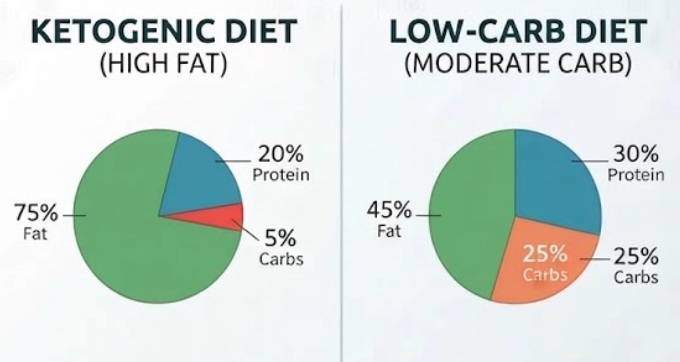
The ketogenic diet and low-carb diet are often used for weight management and health benefits, particularly for those dealing with type 2 diabetes and obesity. While both approaches limit carbohydrate intake, they differ in their methods and outcomes. Here's a closer look at how these two diets compare:
Aspect | Keto Diet | Low-Carb Diet |
|---|---|---|
Carbohydrate Intake | Extremely low; typically 5-10% of daily calories. | Less restrictive; generally 20-30% of daily calories. |
Fat Intake | Very high; about 70% of daily calories. | Moderate; about 40-50% of daily calories. |
Protein Intake | Moderate; usually about 20% of daily calories. | Moderate; similar to or slightly higher than keto. |
Ketosis | Encourages ketosis, a metabolic state that burns fat for fuel. | May achieve mild ketosis but not a primary goal. |
Weight Loss | Rapid initial weight loss due to ketosis and water loss. | Steady weight loss, sustainable over the long term. |
Diabetes Management | Potential to improve insulin sensitivity and lower blood sugar levels. | Beneficial for blood sugar control; less restrictive might be easier to maintain. |
Sustainability | Can be challenging to maintain due to strict restrictions. | More flexible, easier to adapt to different lifestyles. |
Ultimately, the choice between the keto diet and a low-carb diet depends on individual needs, lifestyle, and health goals. While the keto diet might offer faster initial results, the low-carb diet can be less restrictive in the long run, making it easier for many to sustain. Consulting with a healthcare professional can help in determining the best diet plan for personal health conditions, especially for those managing type 2 diabetes and obesity.
Frequently Asked Questions
What is the keto diet and how does it help with type 2 diabetes?
The keto diet is a low-carb, high-fat diet that shifts the body’s metabolism into a state called ketosis, where fat is burned for energy instead of carbohydrates. This diet can help manage blood sugar levels in people with type 2 diabetes by reducing carbohydrate intake, which minimizes blood sugar spikes and can enhance insulin sensitivity.
Can the keto diet assist in achieving weight loss more effectively than other diets?
Yes, the keto diet can potentially facilitate more effective weight loss compared to other diets. By significantly reducing carbohydrate intake, your body starts using stored fat for energy, leading to weight loss. Additionally, the diet may suppress appetite, making it easier to consume fewer calories without feeling deprived.
Are there any risks associated with the keto diet for people with diabetes?
There are risks to consider when starting the keto diet, especially for individuals with diabetes. It’s vital to monitor blood sugar levels frequently, as adjustments to medication may be necessary. Consultation with a healthcare professional is crucial to address potential kidney stress and to ensure adequate nutrient intake while on this diet.
What are common keto diet foods that can benefit both type 2 diabetes and obesity?
Common keto diet foods include healthy fats like avocados and olive oil, non-starchy vegetables such as broccoli and spinach, and moderate protein sources like chicken and fish. These foods support the dietary needs of those managing diabetes and obesity by providing nutrient density without causing spikes in blood sugar levels.
How quickly can results from the keto diet be observed for someone with type 2 diabetes?
Results from following a keto diet can vary among individuals with type 2 diabetes. Some may notice improvements in blood sugar control within a few weeks, while others might experience changes over several months. Factors such as adherence to the diet, initial health status, and lifestyle choices all play a role in the timeline for observing results.
In summary, the keto diet offers promising benefits for those managing Type 2 diabetes and obesity. By promoting a low-carb, high-fat intake, the diet aids in improving insulin sensitivity and effectively controlling blood sugar levels. Additionally, the keto diet helps reduce body weight and body mass index, which are critical in mitigating obesity-related health issues.
Adopting the keto diet can be a transformative step towards better health. However, it's essential to consult with healthcare professionals to tailor the diet to individual needs. Begin your journey towards improved well-being today by exploring more about the keto lifestyle and its profound impact on diabetes and obesity management.
Ready to take control of your health? Explore ketogenic recipes and tips to make your transition smoother.
This article is for informational and educational purposes only. It does not constitute medical advice, diagnosis, or treatment, and is not a substitute for a conversation with a qualified healthcare provider. Individual health needs vary.
Cooking times and temperatures provided on this website are intended as general guidelines and may vary depending on your oven, equipment, ingredients, and personal preferences. We are not responsible for food that is overcooked, undercooked, or cooked to a preferred doneness differently than expected. Always use your best judgment and check food for doneness and safe internal temperatures when appropriate.
Up Next
Keep reading

Mediterranean Diet: Heart Health & Blood Pressure Benefits
Discover how the Mediterranean diet supports heart health and manages blood pressure naturally. Learn about key foods, dietary swaps, and more.

Choosing the Right Water Treatment for Your Contaminants
Discover how to choose a water treatment that matches specific contaminants in your water. This guide explores filtration technologies, systems, and key considerations for health-conscious individuals.